
News
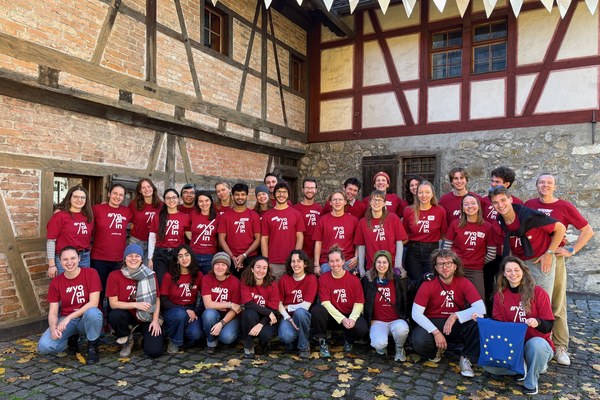
YOALIN: Looking back and looking ahead
Around 35 young people from the Alpine region gathered in Feldkirch, Austria, in mid-November 2026 for the YOALIN Final Event. Following a summer full of adventures, the meeting was all about sharing ideas.
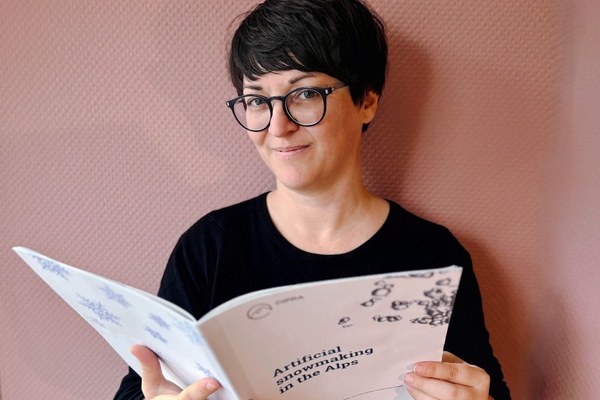
Point of View: Facts are non-negotiable
When myths and facts stand side by side, it can be difficult to know where to turn. Caroline Begle, Communications Officer at CIPRA International, explains why thorough research is essential, particularly in climate communication, and why the new CIPRA report on artificial snowmaking dispels common misconceptions.
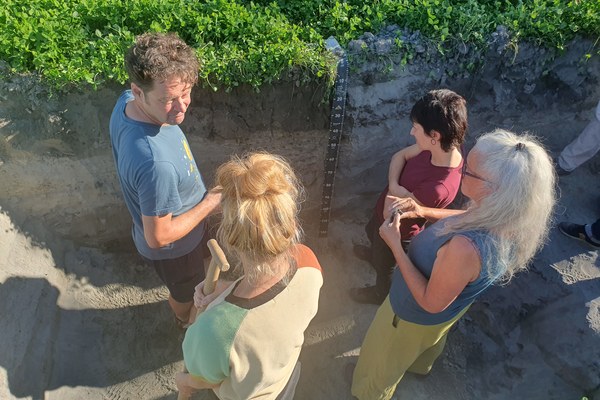
Exploring soil with every one of our senses
How is fertile soil formed? How big is a grain of sand? And how can knowledge about soil be conveyed creatively? The partners of the Erasmus+ project “Future Soil Literacy” addressed these questions at a meeting held in late September in Vorarlberg, Austria, and Liechtenstein.
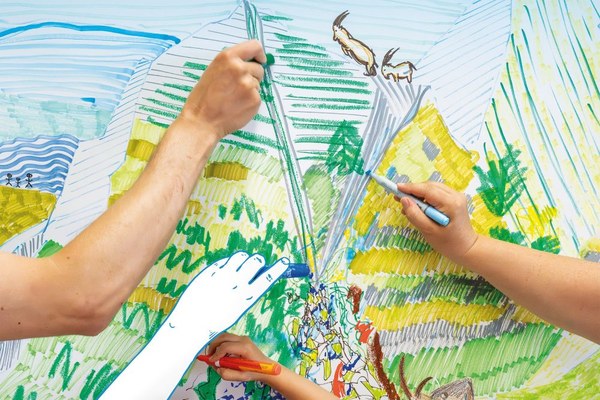
Co-construction Wanted!
The latest issue of the SzeneAlpen magazine shows why participation is essential for a sustainable future in the Alps and how we can strengthen it.
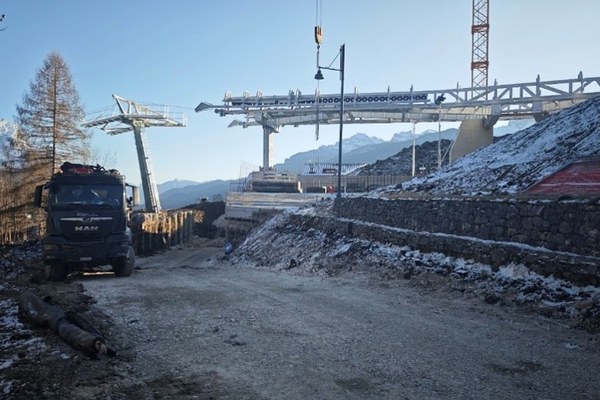
Winning the Games, losing the people?
The next Olympic Winter Games will take place in the French Alps in 2030. But will they really serve these Alpine regions or their inhabitants? In 2038, it could be Switzerland's turn, even without consulting its citizens. The Swiss population has been highly critical of Olympic Games in the past.
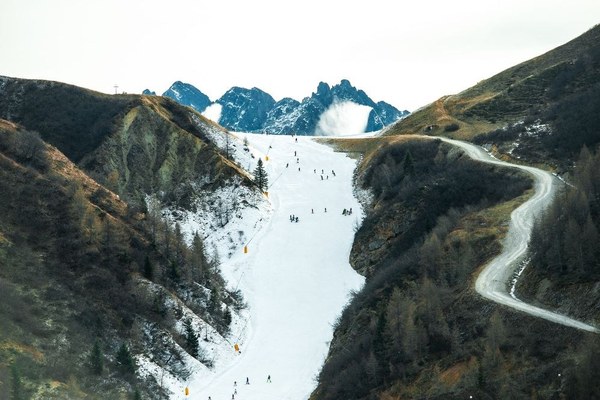
Artificial snow and the climate crisis
Artificial snowmaking has become the backbone of Alpine ski tourism. But the climate crisis is driving up water and energy consumption, while the window of opportunity for snow production is shrinking. A recent CIPRA report shows that technical climate adaptation is increasingly reaching its limits.
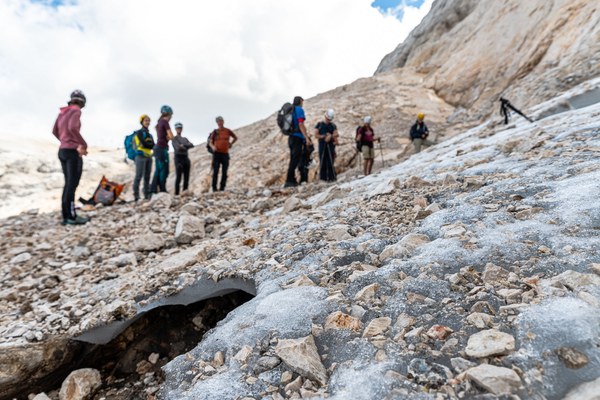
On the trail of melting glaciers
What does it feel like to stand next to a glacier that could soon entirely disappear? This summer, 19 young people explored this question as part of the international project “Young Glacier Voices”. Two camps took them to the Ötztal Valley in Tyrol and to Triglav in Slovenia.
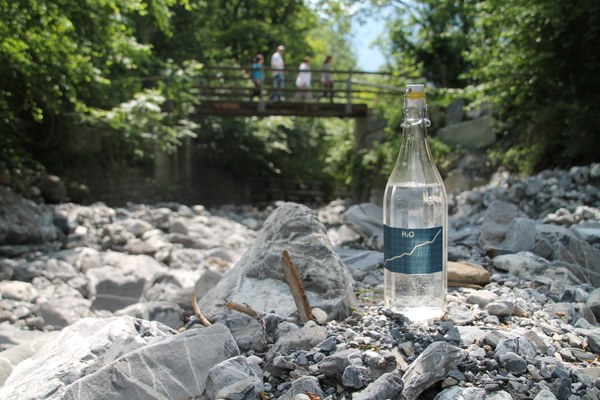
Too much water, too little water: Good examples for a resilient Alpine region
How can municipalities, regions, and entire catchment areas cope with water scarcity, heavy rainfall, and growing conflicts over water use? The second webinar of the H2Opportunities project showcased examples from across the Alps, highlighting innovative approaches for a water-sensitive future.
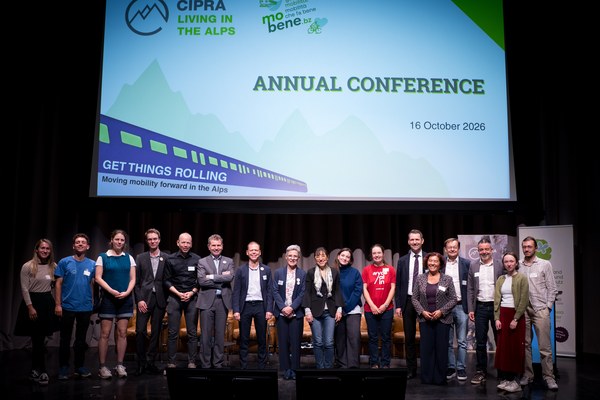
Transit traffic reaches its limits
Ensuring cost fairness, reducing journey numbers, shifting to rail: some 200 participants at the CIPRA Annual Conference, held in mid-October 2026 in Bolzano, Italy, discussed ways to limit the rising volume of traffic in the Alps.
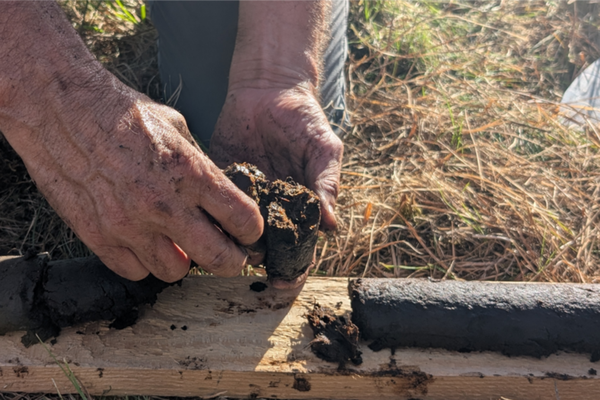
Improving protection for alpine peatlands
Peatlands are incredibly talented: they store CO₂, regulate the water cycle and provide habitats for numerous animal and plant species. However, they are under pressure from increasingly long dry periods and intensive land use. The Interreg Alpine Space project ‘RE-PEAT-it!’, launched in autumn 2026, is therefore investigating how alpine peatlands can best be conserved.

A cause for concern: AI data centres in the Alpine region
The Alpine countries are not immune to the AI wave: in April 2026, construction began on a Google data centre in Kronstorf, Austria; the French company Dataone is working on a project of similar scale near Grenoble in France. The consumption of electricity, water and land is equally enormous.
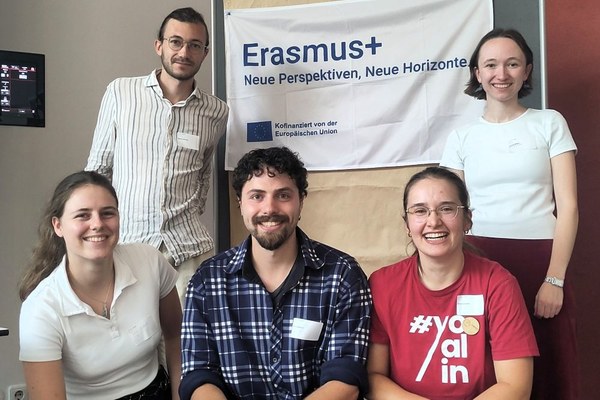
Mobility for All?
What does it mean to be mobile if you cannot drive? At CIPRA’s Annual Conference in Bolzano, Italy, the CIPRA Youth Council explored how mobility systems in the Alps could become more accessible, inclusive and sustainable.
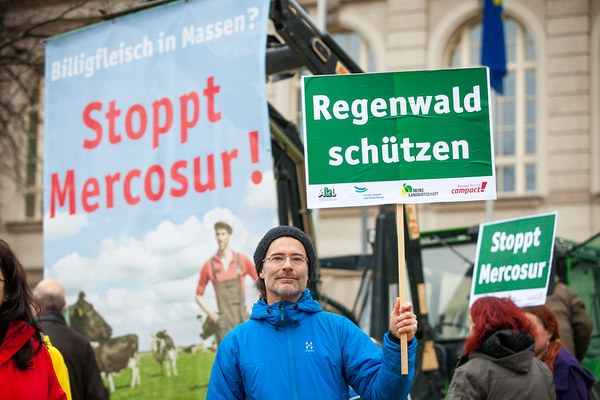
Mercosur Agreement : what is at stake for Alpine pastoralism ?
The EU opened a new competitive market back in May 2026 with four South American countries: Argentina, Brazil, Paraguay and Uruguay. This sparked many heated debates within the EU with France leading the way. Many European stakeholders question the extent to which European markets should open their markets to globalisaton, especially regarding agricultural production and goods. Indeed, the EU has one of the strictest regulations in terms of quality control, pesticides and antibiotics use. Increased competition and diversification but at what cost for the pastoral economy?
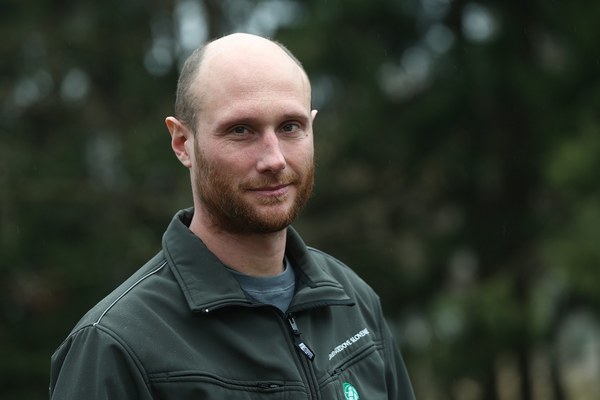
Wild Ungulates and Society Working Group (WISO) : Interview with Rok Černe
In our Pasto Infomail, we ask questions to differents stakeholders connected in different ways to the topic of pastoralism. This time we had the chance to exchange with Rok Černe, Chair of the Alpine Convention’s Large Carnivores, Wilde Ungulates and Society Working Group (WISO), who leads a project team within the Slovenian Forest Service, specializing in wildlife translocation and human–wildlife coexistence. His expertise and focus on large carnivore conservation led him to play a key role in designing and implementing LIFE, Interreg, and national conservation initiatives, emphasizing large carnivore, ungulate and forest management. He has also contributed to national and international strategies aligning wildlife management with EU directives and best practices. As Chair of the Alpine Convention’s Large Carnivores, Wild Ungulates and Society Working Group (WISO), Rok Černe promotes cross-border collaboration and policy development. Find below his interview !
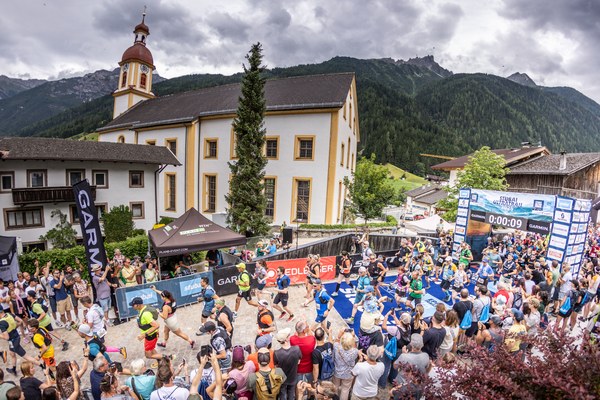
Trail running events in the Alps: how much is too much?
Whether around Mont Blanc, the Zugspitze or the Grossglockner, or through the Dolomites: trail running events are booming across the Alps. At this year’s UTMB alone, around 10,000 runners are expected to take part in various races and categories. However, the sport’s growing popularity also brings with it problems for the natural environment and small mountain communities.
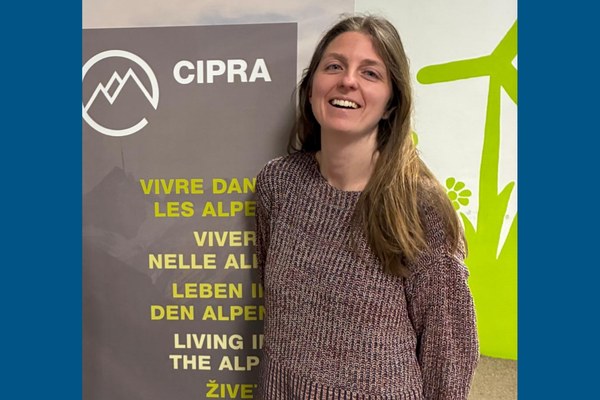
Point of View: What if reaching an agreement isn’t the most important thing?
In the increasingly contested Alpine region, harmonious coexistence does not depend on eliminating conflicts. Rather, we must learn to recognise differing opinions, highlight areas of tension and use dialogue as the basis for a shared future, argues Lauren Mosdale, co-director of CIPRA France.
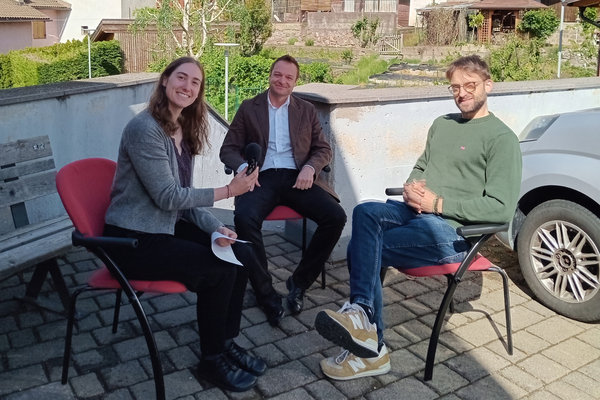
Leaving home, staying connected
Over the course of a year and a half, the OUT4INGOV project focused on the issue of youth migration in the Alps and implemented innovative measures in the three pilot regions of Maribor (Slovenia), Trentino (Italy) and Vesoul (France). The project concluded in mid-July 2026 with a conference in France.
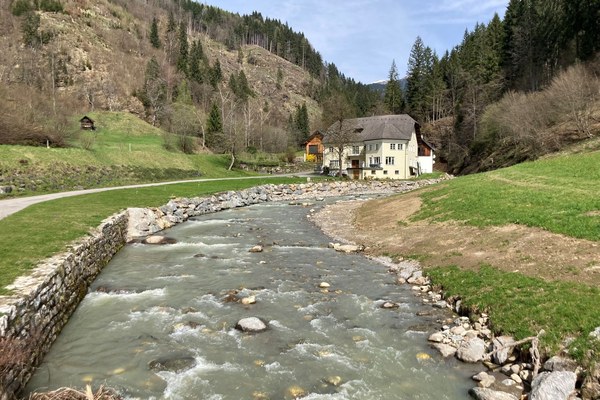
Combining flood protection and nature-based solutions
In the FLOW-BIOS project, five biosphere reserves are working together with the University of Natural Resources and Life Sciences, Vienna, and CIPRA International to explore how nature-based solutions can be successfully implemented on privately owned land.
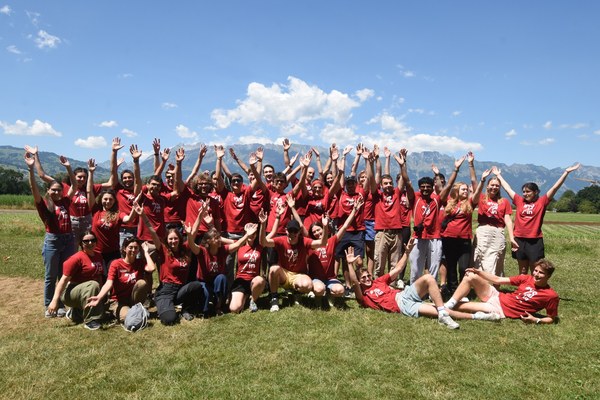
To the limits and beyond, sustainably: YOALIN kicks off the summer
With its kick-off event in Liechtenstein, YOALIN has launched a new season, with some 40 young people from the Alpine region gathering to learn more about climate-friendly travel, ecological networking, and sustainable mobility. Since 2018, the CIPRA project has been connecting young people who want to explore the Alps sustainably.
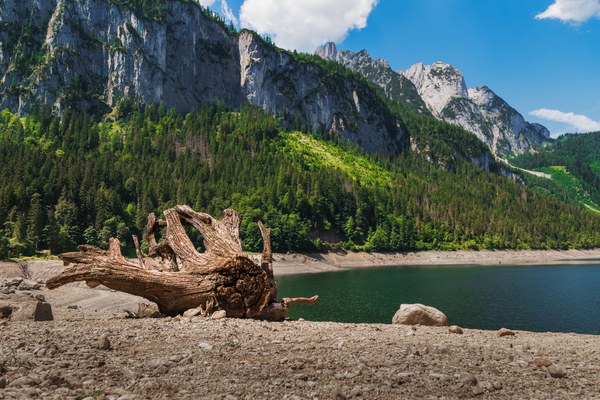
The Alps are drying up
Record temperatures were already being recorded in many regions as early as June 2026, with further heatwaves following in July and early August. The consequences: water shortages, more frequent forest fires and unusual natural phenomena.
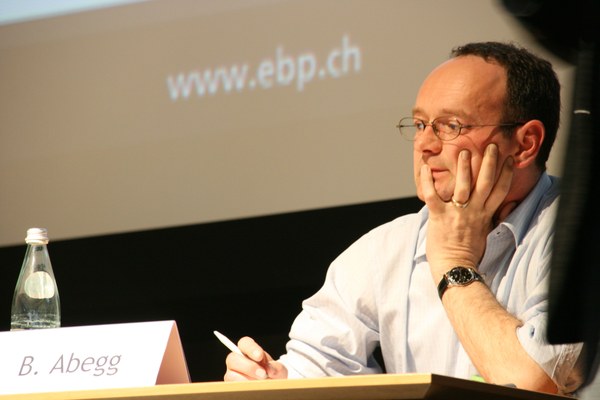
In memoriam: Bruno Abegg
We mourn the loss of Bruno Abegg, who passed away on 20 July 2026 at the age of 61. He gave a crucial impetus to the first climate projects at CIPRA International.
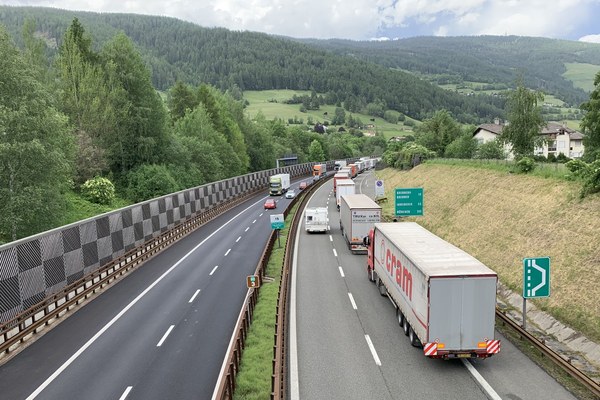
ECJ Advocate General criticises driving bans on the Brenner Pass
Regulating lorry traffic, yes; driving bans, no: this is the view put forward by the Advocate General of the European Court of Justice (ECJ) in his Opinion published in mid-July 2026. Although not legally binding, this forms an important basis for the decision in the legal dispute between Austria and Italy. CIPRA is calling on politicians on both sides of the Brenner Pass to engage in constructive dialogue.
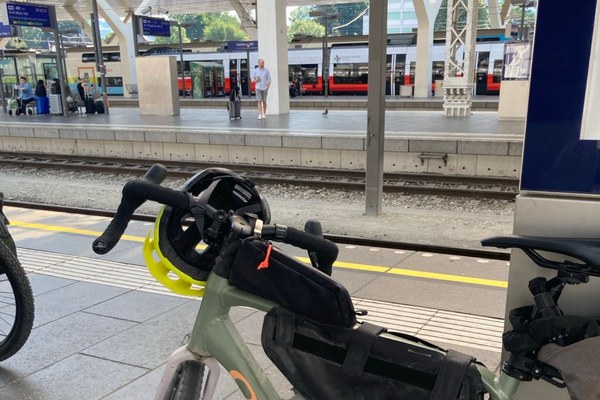
Car-free trips to the mountains
Anyone wishing to travel to the mountains in a climate-friendly way is finding an increasing amount of digital support. New platforms in France and Italy now complement existing services and make it easier to travel by train and bus to enjoy mountain tours.
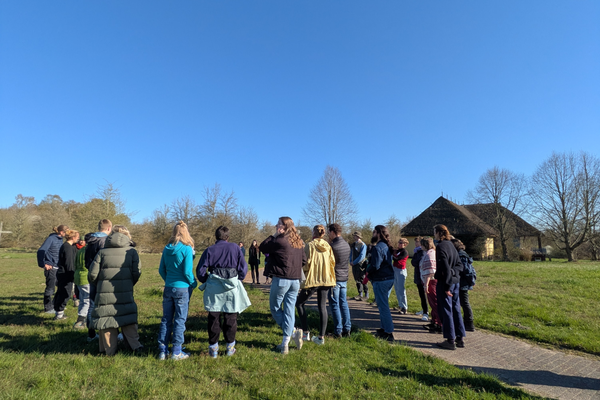
Youth workshop on biodiversity
What is the Intergovernmental Science-Policy Platform on Biodiversity and Ecosystem Services (IPBES) all about? Alexandra Senn can tell us more about it. She is a member of the CIPRA Youth Council and participated in an international workshop on the latest IPBES report.
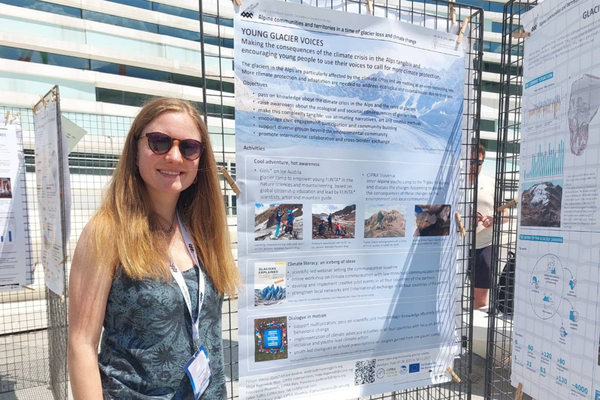
“Young Glacier Voices” presented at the Forum Alpinum
Félicie Weiss, part of the project Young Glacier Voices as representant from the partner organisation Girls* on Ice Austria, participated to the Forum Alpinum 2026. We asked her a few questions about her experience.
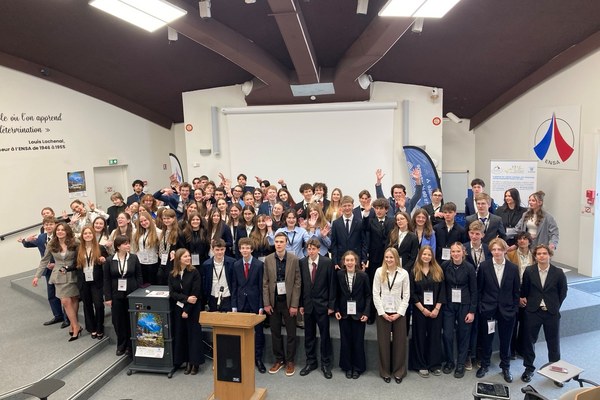
20 years of the Youth Parliament
Turbines in drinking water and solar panels on dams: with these and other ideas, the Youth Parliament to the Alpine Convention, which met in the French city of Chamonix in mid-March 2026, aims to strengthen climate resilience in the Alps.
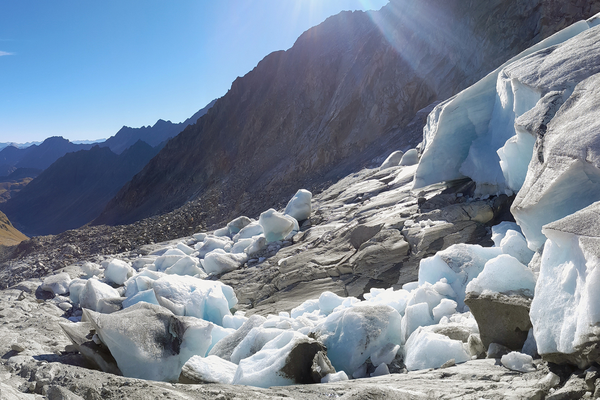
Collapsing Alpine glaciers
Austria’s ice giants are shrinking rapidly and literally crumbling away; Germany will soon be ice-free. Research shows that retreating glaciers mean we are losing not only water reservoirs, but also archives of human history.
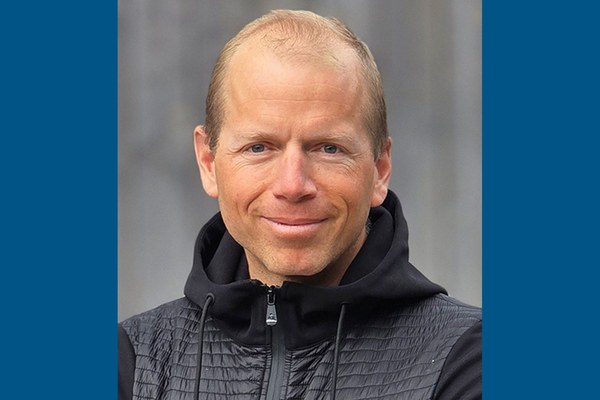
Point of view: The good traveller leaves no traces
Traffic jams, noise, exhaust fumes: this problem affects not only densely populated urban centres but, owing to the still overwhelmingly dominant share of motorised transport, also the Alpine regions. Yet we have long known that there is another way, says Stephan Tischler, transport scientist at the University of Innsbruck and Chair of CIPRA Austria.
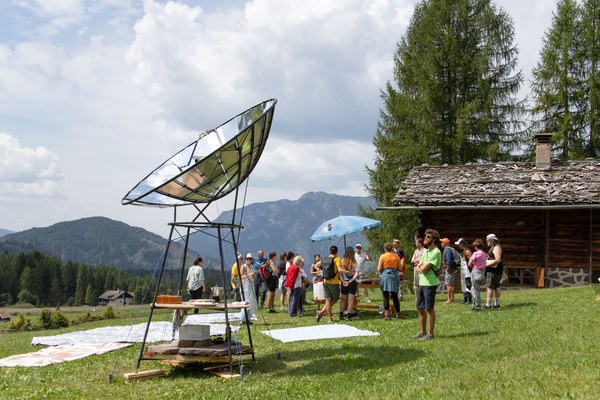
Driving eco-social transformation in the Alpine region
The “Alpine Changemaker Network” project combines Alpine traditions with contemporary art, culture and design. The first “Assembly” to strengthen the network is planned for spring 2026.
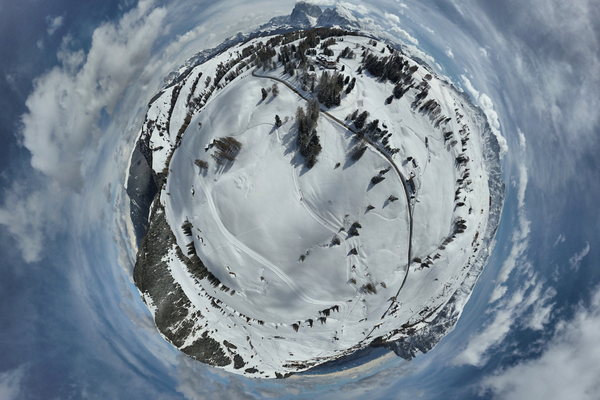
A Strained Planet
We are living beyond our means: by spring, the Alpine countries have already used up their annual resources. “Overshoot Day” is coming earlier and earlier in the calendar, but there are ways to change this.