Improving protection for alpine peatlands

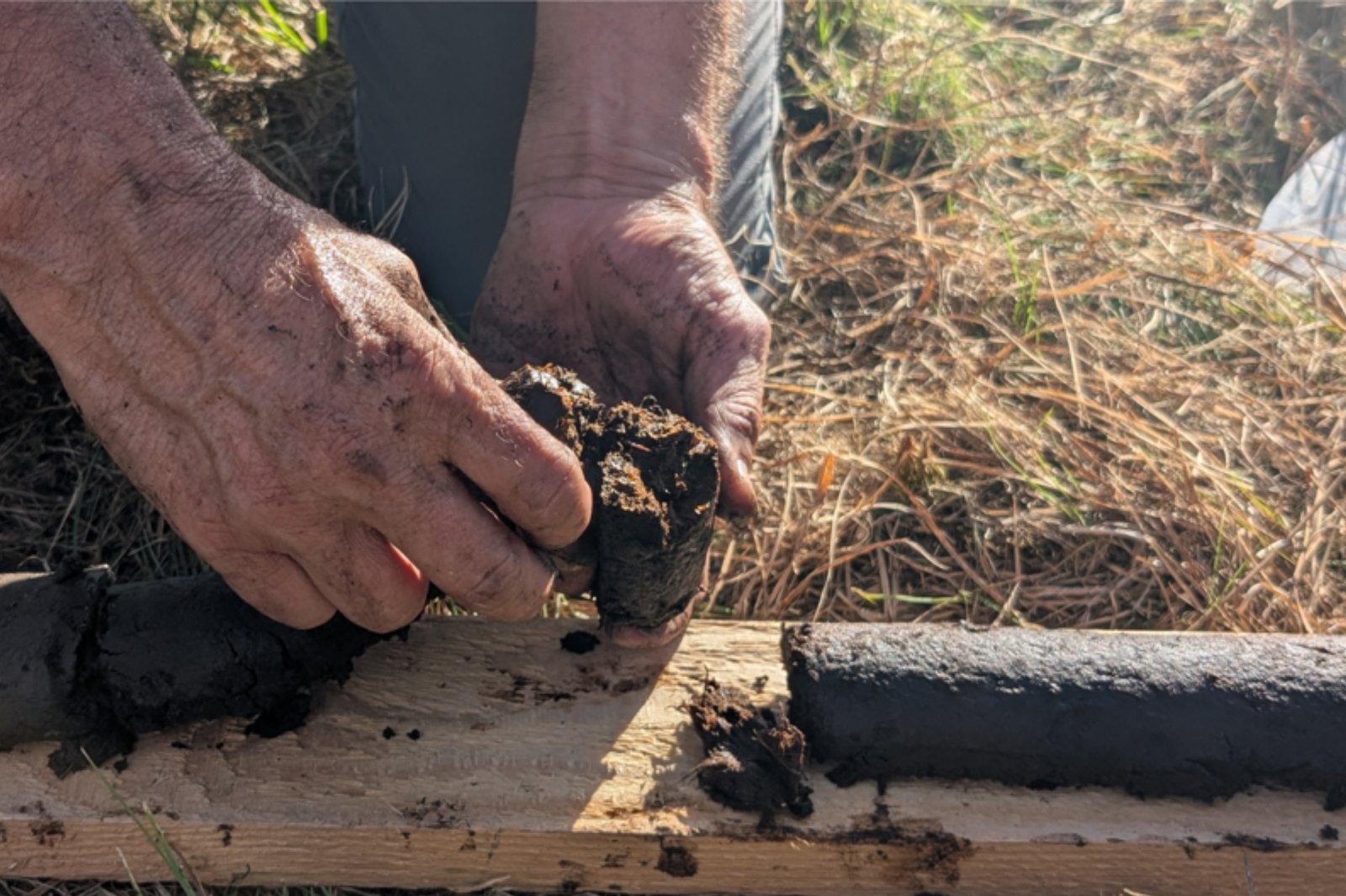
Peatlands are incredibly talented: they store CO₂, regulate the water cycle and provide habitats for numerous animal and plant species. However, they are under pressure from increasingly long dry periods and intensive land use. The ‘RE-PEAT-it!’ project, launched in autumn 2026, is therefore investigating how alpine peatlands can best be conserved.

CIPRA France


Would you like to find out more about CIPRA's country representative in France? Click here!

More news

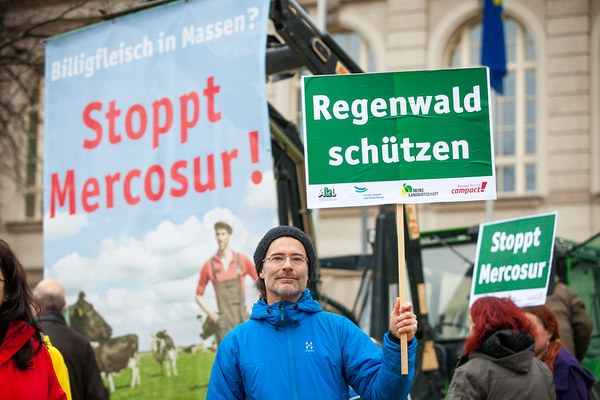
Mercosur Agreement : what is at stake for Alpine pastoralism ?
The EU opened a new competitive market back in May 2026 with four South American countries: Argentina, Brazil, Paraguay and Uruguay. This sparked many heated debates within the EU with France leading the way. Many European stakeholders question the extent to which European markets should open their markets to globalisaton, especially regarding agricultural production and goods. Indeed, the EU has one of the strictest regulations in terms of quality control, pesticides and antibiotics use. Increased competition and diversification but at what cost for the pastoral economy?
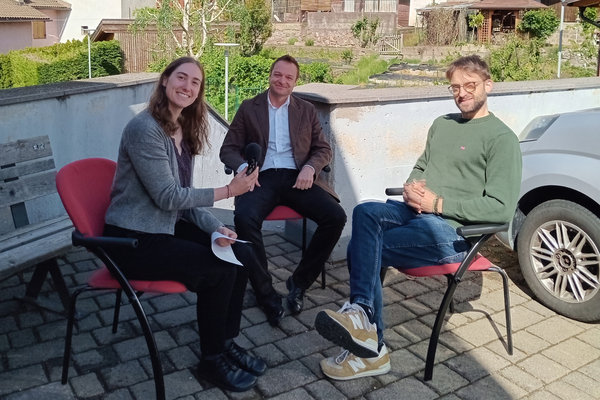
Wild Ungulates and Society Working Group (WISO) : Interview with Rok Černe
In our Pasto Infomail, we ask questions to differents stakeholders connected in different ways to the topic of pastoralism. This time we had the chance to exchange with Rok Černe, Chair of the Alpine Convention’s Large Carnivores, Wilde Ungulates and Society Working Group (WISO), who leads a project team within the Slovenian Forest Service, specializing in wildlife translocation and human–wildlife coexistence. His expertise and focus on large carnivore conservation led him to play a key role in designing and implementing LIFE, Interreg, and national conservation initiatives, emphasizing large carnivore, ungulate and forest management. He has also contributed to national and international strategies aligning wildlife management with EU directives and best practices. As Chair of the Alpine Convention’s Large Carnivores, Wild Ungulates and Society Working Group (WISO), Rok Černe promotes cross-border collaboration and policy development. Find below his interview !
Leaving home, staying connected
Over the course of a year and a half, the OUT4INGOV project focused on the issue of youth migration in the Alps and implemented innovative measures in the three pilot regions of Maribor (Slovenia), Trentino (Italy) and Vesoul (France). The project concluded in mid-July 2026 with a conference in France.
New impetus for quality of life in the Alps
Life in the Alps means far more than just an impressive mountain panorama: a good quality of life also depends on a well-functioning local administration. A project run by the University of Ljubljana is developing new strategies in collaboration with pilot regions.

Events

  • 2026-12-10T00:00:00+01:00
  • 2026-12-11T23:59:59+01:00
  • Mercure Hôtel Antibes Sophia Antipolis – Rue Albert Caquot, 06560 Valbonne
Dec 10, 2026 - Dec 11, 2026
Séminaire transfontalier : Construire l’espace franco-italien de la jeunesse : mobilité, engagement et coopération Mercure Hôtel Antibes Sophia Antipolis – Rue Albert Caquot, 06560 Valbonne

Projects and activities

AfterAlpineIce
AfterAlpineIce
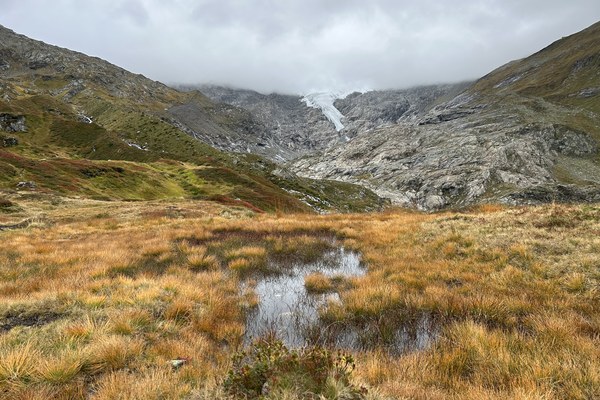
What will the Alps look like without ice and glaciers? The climate crisis is accelerating glacier retreat and fundamentally transforming the Alpine region. What may at first appear to be a change in the landscape has far-reaching consequences: ecosystems and water cycles are being disrupted, soil development is changing, local climates are shifting, and natural processes in high mountain areas are being permanently affected.
WISER
WISER
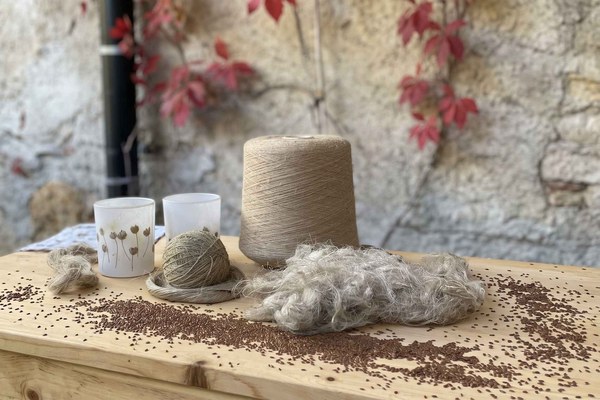
The Alps have a rich heritage of using and processing local natural fibres, such as wool, hemp, flax and silk. Yet much of this potential remains untapped today: regional processing infrastructure has largely disappeared, traditional knowledge is being lost, and much of the value creation takes place outside the Alpine region. At the same time, the textile industry is seeing growing demand for sustainable and circular alternatives.
MOUNTAIN-GOV Co-existing
Tensions between leisure activities and tourism in the mountains, on the one hand, and the agricultural and forestry sectors, on the other, are becoming increasingly acute. Although this coexistence offers significant economic opportunities, pressure on Alpine regions is mounting beyond the usual mountain tourist seasons.