The Alps are drying up
Record temperatures were already being recorded in many regions as early as June 2026, with further heatwaves following in July and early August. The consequences: water shortages, more frequent forest fires and unusual natural phenomena.
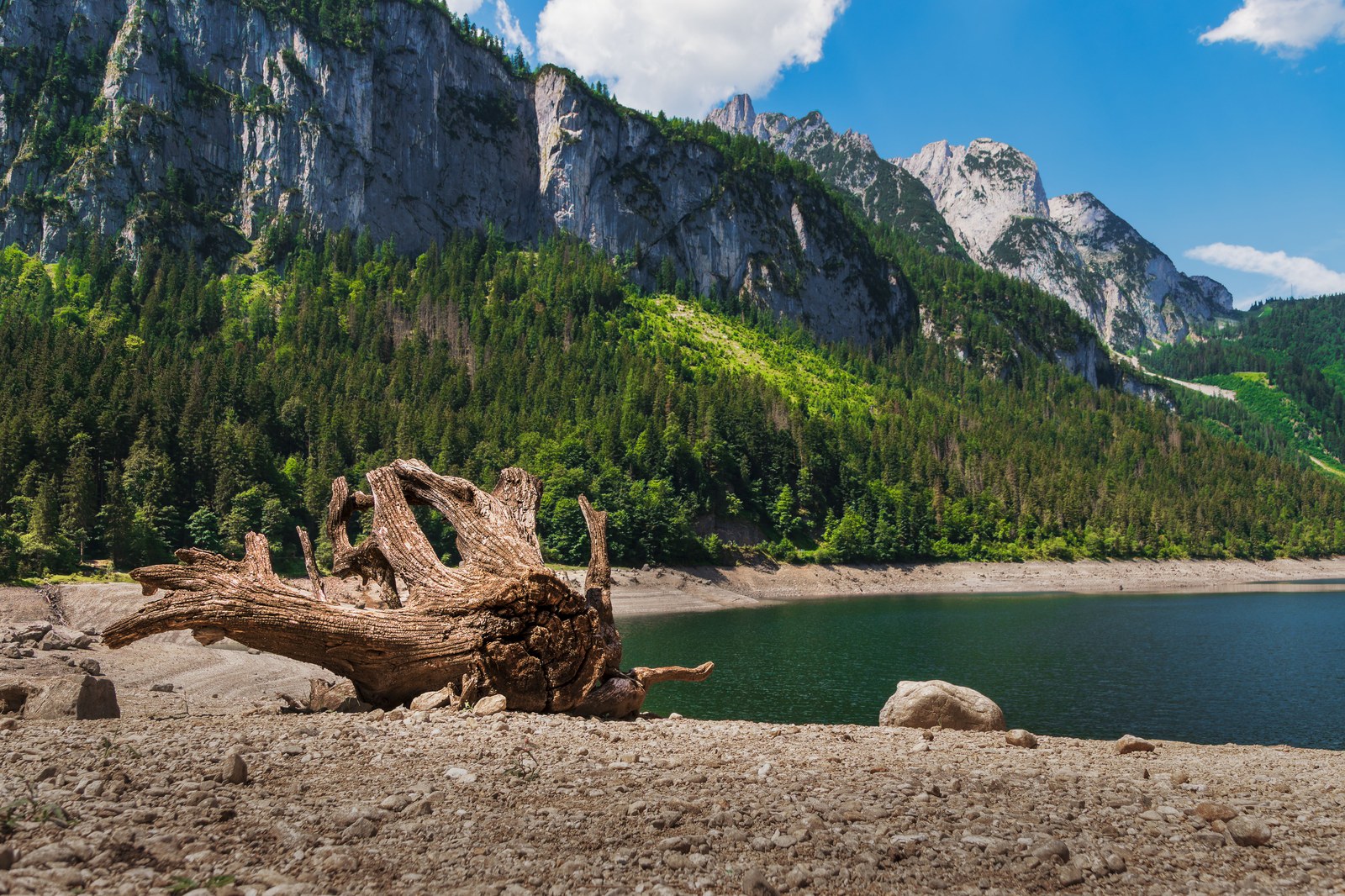
Waterfalls instead of ice at altitudes of over 4,000 metres: images of this rare natural spectacle on the Matterhorn, caused by heavy rainfall, went viral. They symbolise the effects of heatwaves such as those experienced by the Alpine region in the summer of 2026. In the Alpine cities of Innsbruck and Grenoble, temperatures of over 38 degrees broke the June heat records, whilst Chur recorded its longest-ever run of hot days. The situation was similar in Bolzano, which ranks among the 15 hottest cities in Italy. Even in the Slovenian mountaineering village of Jesersko, the temperature soared to over 34 degrees. Record-breaking temperatures were recorded on Monte Rosa, while flies and mosquitoes were spotted at altitudes previously characterised by ice and cold. What was still considered exceptional just a few years ago is now happening with increasing frequency – as evidenced this summer by numerous forest fires in the French Southern Alps, as well as the critical water levels in the Po and Adige rivers. At Lake Garda, for example, several billion litres of water evaporate every day during hot spells, which becomes a problem for agriculture and tourism if the heat persists for any length of time. In the Lake Constance region on the northern edge of the Alps, a general ban on water abstraction from surface waters was temporarily imposed due to low water levels in rivers and streams. In many places, farmers have to bring their animals down to the valley earlier and buy extra hay already in summer.
Climate protection and adaptation are increasingly important
Recent analyses by the European Commission’s Joint Research Centre (JRC) show that, by investing in climate protection, renewable energy and energy efficiency, local authorities can reduce their emissions by an average of 48.5 per cent by 2030. At the same time, efforts to date are not sufficient to meet the EU’s climate targets. Back at the start of summer, the JRC warned of an exceptionally strong El Niño event bringing unusual heat for months on end. “This confirms what is already evident in the Alps: adapting to heat and water scarcity is becoming increasingly important – as is a rapid reduction in greenhouse gas emissions”, says Uwe Roth, President of CIPRA International. This is also the focus of a current CIPRA project: “H2Opportunities” shares knowledge and stimulates discussion on equitable water management.
Sources and further information:
www.swissinfo.ch/ (de), www.rainews.it/ (it), https://de.euronews.com/ (de), www.bodenseekreis.de/ (de), www.lastampa.it/ (it), www.ilsole24ore.com/ (it), www.lastampa.it/cronaca/2026/07/04/ (it), www.geo.fr/ (fr), www.ledauphine.com/ (fr), https://joint-research-centre.ec.europa.eu/jrc-news-and-updates/potentially-historic-el-nino-come-analysis-shows-humanitarian-toll (en), https://joint-research-centre.ec.europa.eu/jrc-news-and-updates/local-climate-action-delivers-more-efforts-are-needed-meet-2030-goals (en), https://www.20min.ch/ (de), www.slf.ch/de/news/wir-steuern-jetzt-auf-die-hochsaison-zu/ (de), https://de.euronews.com/my-europe/2026/07/21/extreme-durre-alpen-tiere-landwirte-auswirkungen (de), www.swissinfo.ch/ger/chur-knackt-hitzetage-rekord/91680721 (de), https://tgplus.fr/article/canicule-grenoble-bat-un-record/ (fr), https://suedtirol.orf.at/stories/3364845/ (de), https://tirol.orf.at/stories/3360322/ (de), https://svet24.si/novice/slovenija/vreme-vrocina-stirideset-stopinj-1916722 (sl), https://siol.net/novice/slovenija/pri-kranjski-gori-znova-gori-v-zraku-tri-letala-air-tractor-in-helikopter-sv-698632 (sl)
Further information
Point of view: Every drop counts
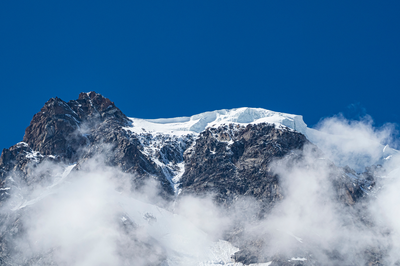
A heat record for June at 5,000 metres