Point of view: The good traveller leaves no traces
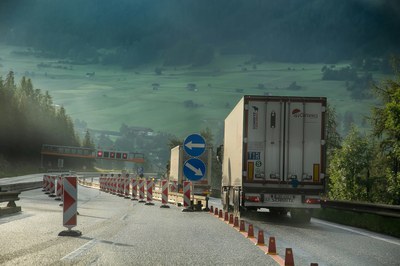
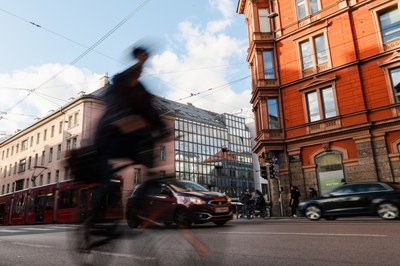
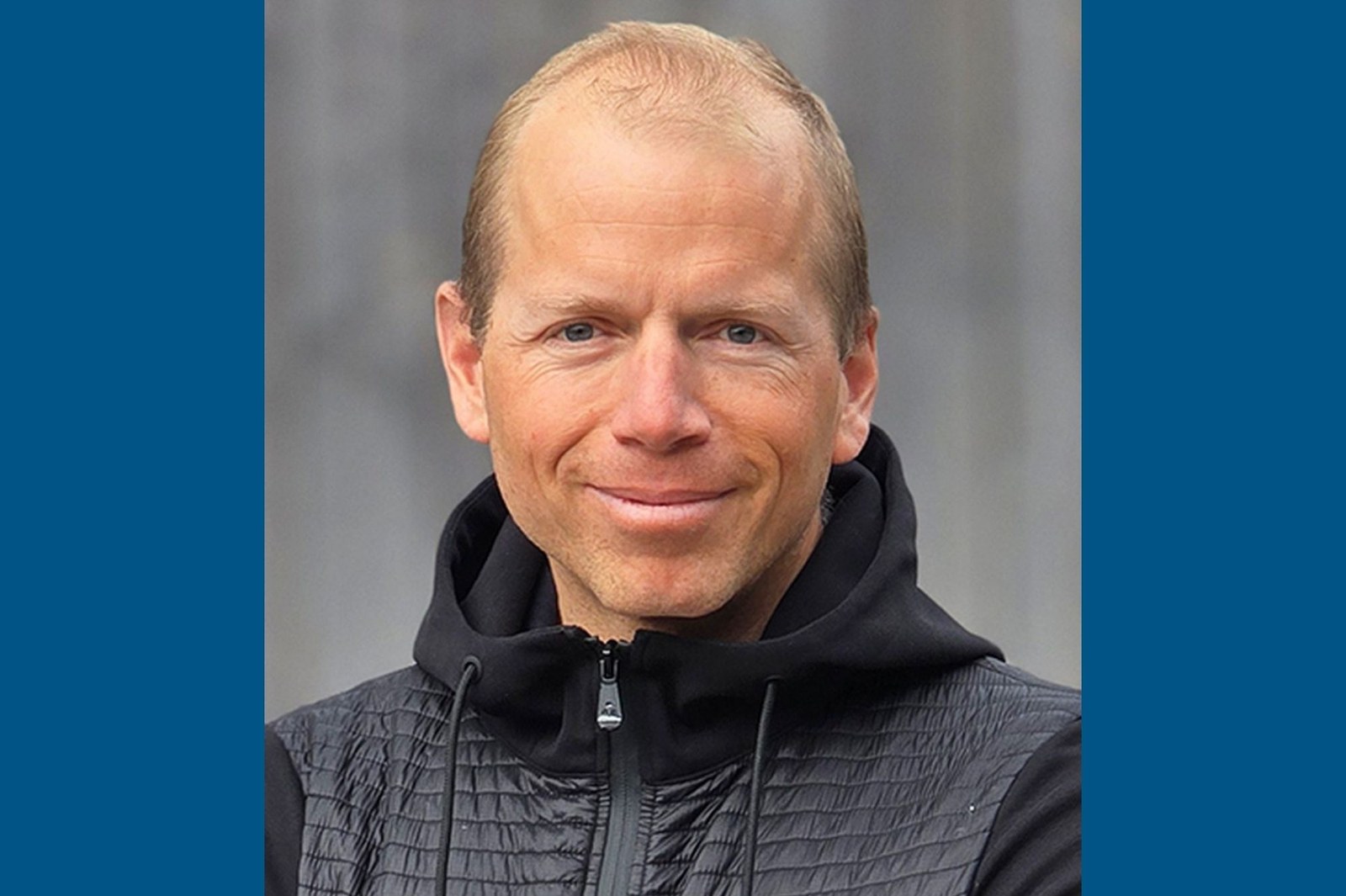
Traffic jams, noise, exhaust fumes: this problem affects not only densely populated urban centres but, owing to the still overwhelmingly dominant share of motorised transport, also the Alpine regions. Yet we have long known that there is another way, says Stephan Tischler, transport scientist at the University of Innsbruck and Chair of CIPRA Austria.
The quotation “A good traveller leaves no traces” is attributed to the Chinese philosopher Laozi. In a few words it sums up a transport policy objective that is all the more relevant today: we want, indeed we have, to be mobile. But only if transport is managed sustainably – and thus in an environmentally friendly manner – can we ensure that we will not leave lasting damage in the Alpine habitat.
People have been moving through and across the Alps for thousands of years. However, it is only in the very recent past that we find traces of this human-induced mobility. The tyre marks of our time will continue to have an impact for a long time to come.
We know that there is another way and we have also made a political commitment to act accordingly: to avoid transport wherever possible; to prioritise rail for freight transport through the Alps; to make active forms of mobility attractive for local and regional travel; and to handle leisure and tourist travel via public transport.
Yet reality shows that there are hardly any signs of this “transport transition” among the general public. Is it the fear of change? Is it a lack of incentives, too many crises all at once, or simply the suppression of a sense of responsibility in favour of the attitude that “it’s still manageable”?
There have been plenty of opportunities, innovative approaches and initiatives recently that will turn intentions into action. Yet, both in terms of national and European politics, the clock still seems to be ticking in the past.
Acting on impulse leads to resistance; inaction prolongs the status quo. The truth lies somewhere in between – political courage is needed to implement transport measures in line with the Alpine Convention, even in the face of resistance from individual groups. Any legal action taken in court can help to achieve lasting legal certainty. Only in this way will we leave a smaller footprint.
Further information