
Laura Kremer, CIPRA International Lab
Improving protection for alpine peatlands
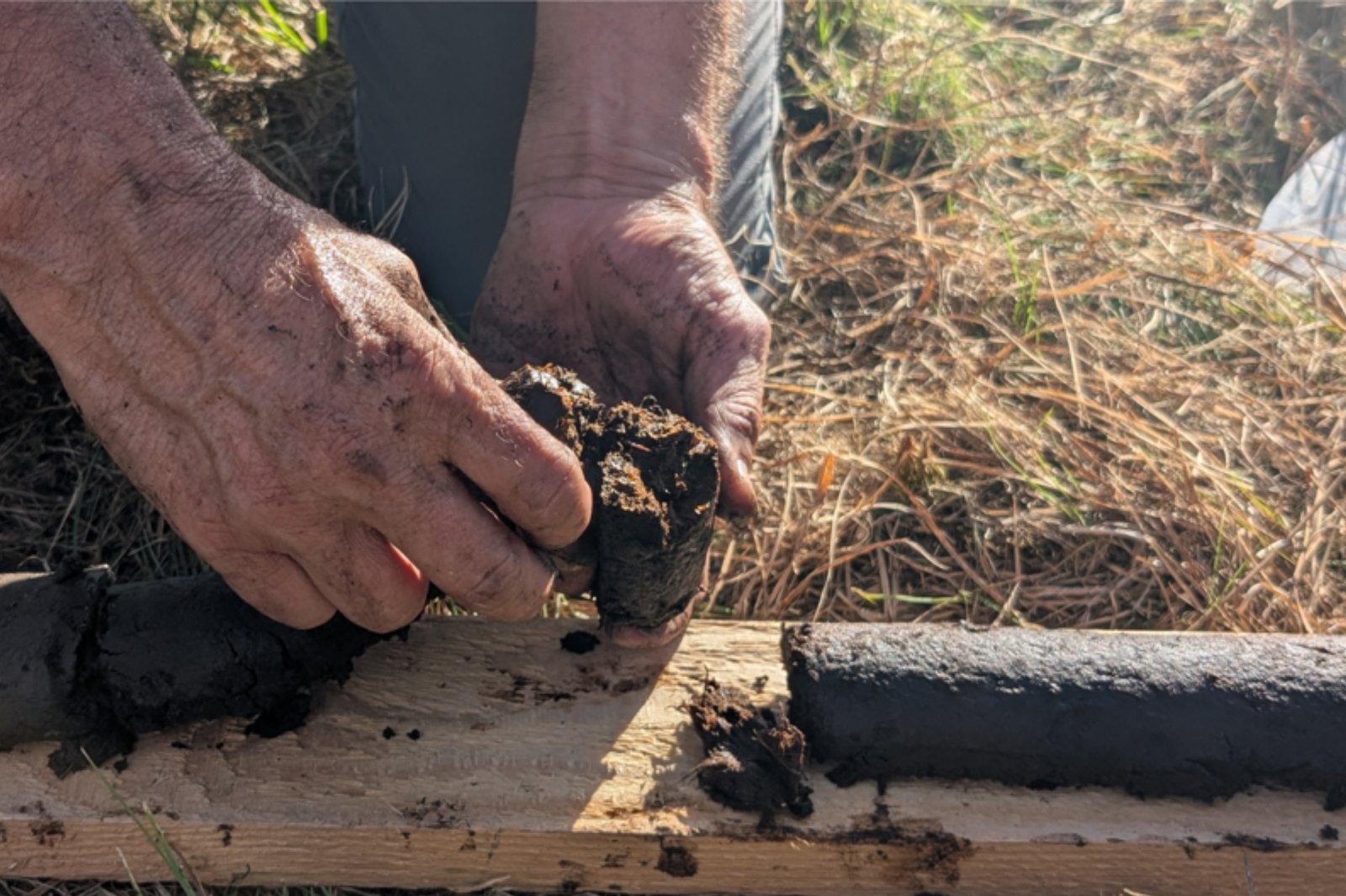
Peatlands are incredibly talented: they store CO₂, regulate the water cycle and provide habitats for numerous animal and plant species. However, they are under pressure from increasingly long dry periods and intensive land use. The ‘RE-PEAT-it!’ project, launched in autumn 2026, is therefore investigating how alpine peatlands can best be conserved.
CIPRA Germany

Would you like to find out more about CIPRA's country representative in Germany? Click here!
More news

Sofie Terzer, CIPRA International
Collapsing Alpine glaciers
Austria’s ice giants are shrinking rapidly and literally crumbling away; Germany will soon be ice-free. Research shows that retreating glaciers mean we are losing not only water reservoirs, but also archives of human history.

Three years for living soils: Ground:breaking takes stock
Through the Ground:breaking project, CIPRA has spent three years demonstrating how sealed soils can be revitalised – and why this is crucial for the climate, biodiversity and quality of life in the Alpine region.

Act now to protect forests: sign the #HandsOffNature petition!
More than 40 percent of the Alpine region is covered by forests. They are not only a defining feature of the landscape, but also a cornerstone of Alpine livelihood, providing building materials, supporting biodiversity, and delivering essential ecosystem services.

Michael Gams, CIPRA International
Winter Olympics on shaky ground
Use as much concrete and steel as possible: that seems to be the sustainability strategy for the Winter Olympics in the Italian Alps. Mountain communities are particularly affected. The icing on the cake is the construction of a new cable car on a slippery slope in Cortina.
Events
There is nothing to see here at the moment. Why not take a look at the other countries?
Projects
AfterAlpineIce
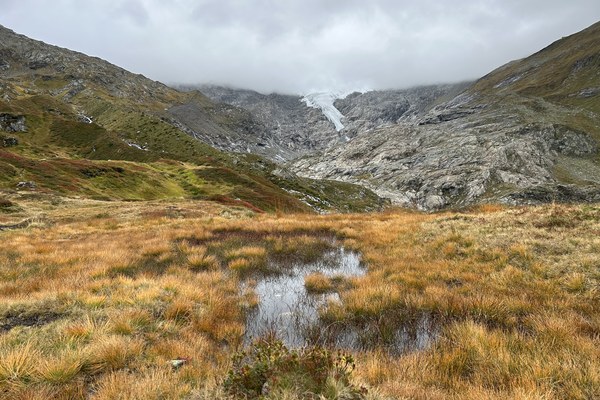
What will the Alps look like without ice and glaciers? The climate crisis is accelerating glacier retreat and fundamentally transforming the Alpine region. What may at first appear to be a change in the landscape has far-reaching consequences: ecosystems and water cycles are being disrupted, soil development is changing, local climates are shifting, and natural processes in high mountain areas are being permanently affected.
WISER
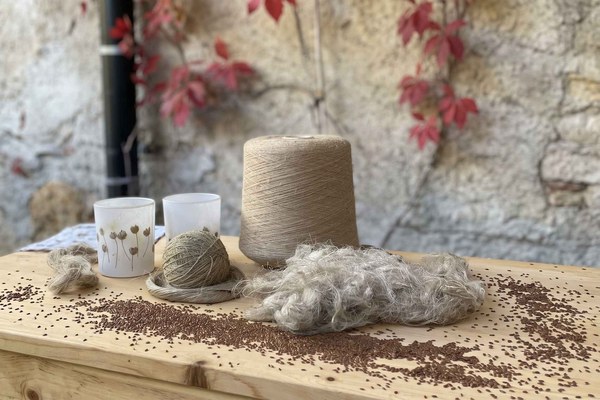
The Alps have a rich heritage of using and processing local natural fibres, such as wool, hemp, flax and silk. Yet much of this potential remains untapped today: regional processing infrastructure has largely disappeared, traditional knowledge is being lost, and much of the value creation takes place outside the Alpine region. At the same time, the textile industry is seeing growing demand for sustainable and circular alternatives.

CIPRA International
MultiBios
[Project completed] In addition to well-known natural hazards such as mudslides and floods, heatwaves and droughts are increasingly affecting the Alpine region. The international project MultiBios is working together with biosphere parks to explore how affected communities and regions can better prepare for multiple climate risks.