
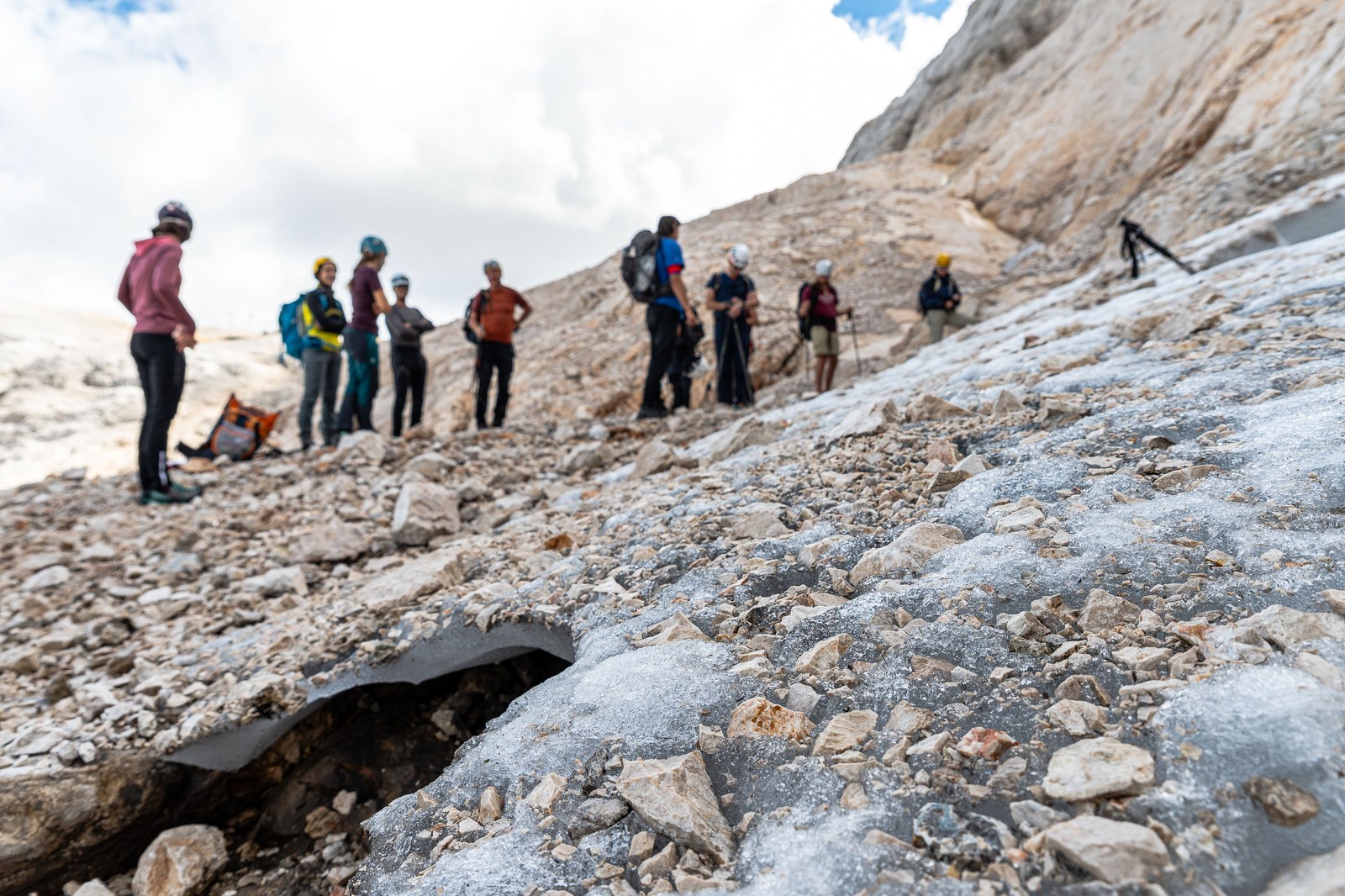
On the trail of melting glaciers
What does it feel like to stand next to a glacier that could soon entirely disappear? This summer, 19 young people explored this question as part of the international project “Young Glacier Voices”. Two camps took them to the Ötztal Valley in Tyrol and to Triglav in Slovenia.
CIPRA Austria

Would you like to find out more about CIPRA's country representative in Austria? Click here!
More news
Maya Mathias, CIPRA international
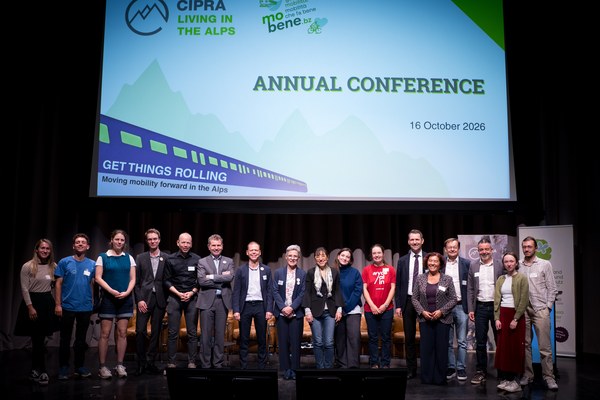
Transit traffic reaches its limits
Ensuring cost fairness, reducing journey numbers, shifting to rail: some 200 participants at the CIPRA Annual Conference, held in mid-October 2026 in Bolzano, Italy, discussed ways to limit the rising volume of traffic in the Alps.
Laura Kremer, CIPRA International Lab
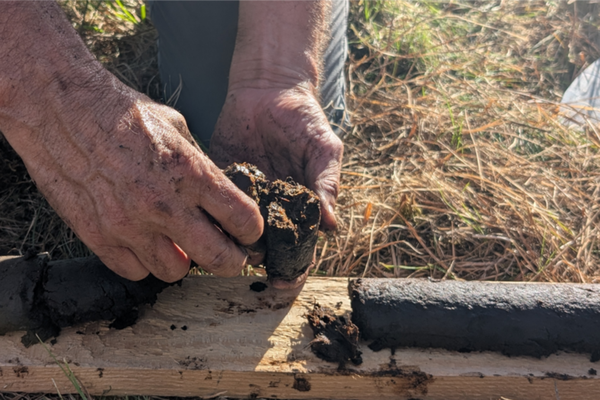
Improving protection for alpine peatlands
Peatlands are incredibly talented: they store CO₂, regulate the water cycle and provide habitats for numerous animal and plant species. However, they are under pressure from increasingly long dry periods and intensive land use. The ‘RE-PEAT-it!’ project, launched in autumn 2026, is therefore investigating how alpine peatlands can best be conserved.
Sofie Terzer, CIPRA International
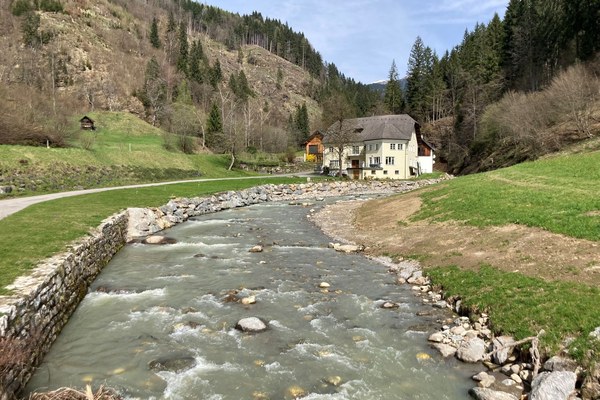
Combining flood protection and nature-based solutions
In the FLOW-BIOS project, five biosphere reserves are working together with the University of Natural Resources and Life Sciences, Vienna, and CIPRA International to explore how nature-based solutions can be successfully implemented on privately owned land.
Sofie Terzer, CIPRA International
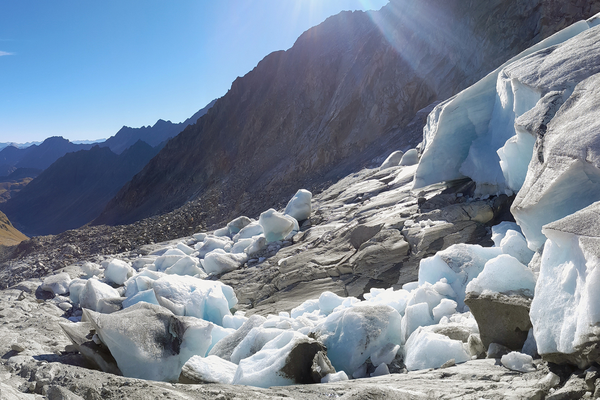
Collapsing Alpine glaciers
Austria’s ice giants are shrinking rapidly and literally crumbling away; Germany will soon be ice-free. Research shows that retreating glaciers mean we are losing not only water reservoirs, but also archives of human history.
Events
There is nothing to see here at the moment. Why not take a look at the other countries?
Projects and activities
AfterAlpineIce
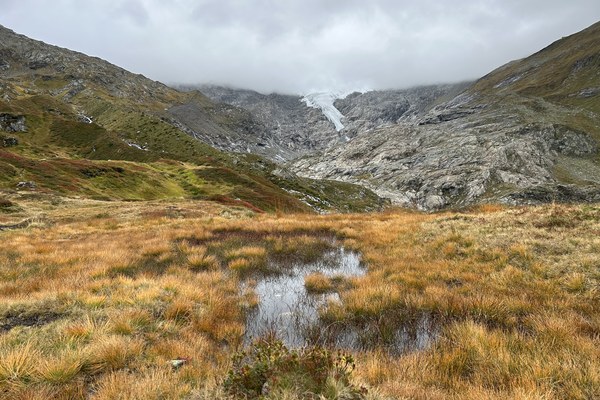
What will the Alps look like without ice and glaciers? The climate crisis is accelerating glacier retreat and fundamentally transforming the Alpine region. What may at first appear to be a change in the landscape has far-reaching consequences: ecosystems and water cycles are being disrupted, soil development is changing, local climates are shifting, and natural processes in high mountain areas are being permanently affected.
WISER
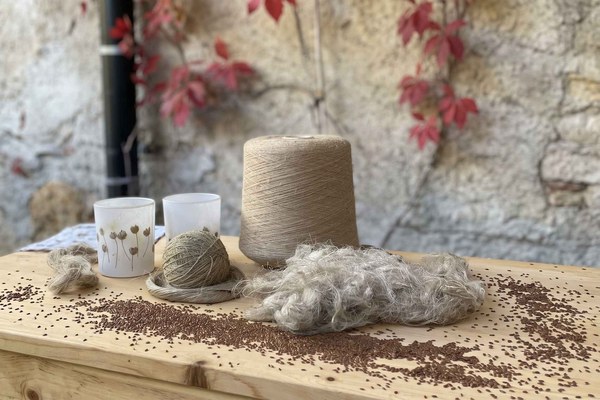
The Alps have a rich heritage of using and processing local natural fibres, such as wool, hemp, flax and silk. Yet much of this potential remains untapped today: regional processing infrastructure has largely disappeared, traditional knowledge is being lost, and much of the value creation takes place outside the Alpine region. At the same time, the textile industry is seeing growing demand for sustainable and circular alternatives.
CIPRA International
RE-PEAT-it!
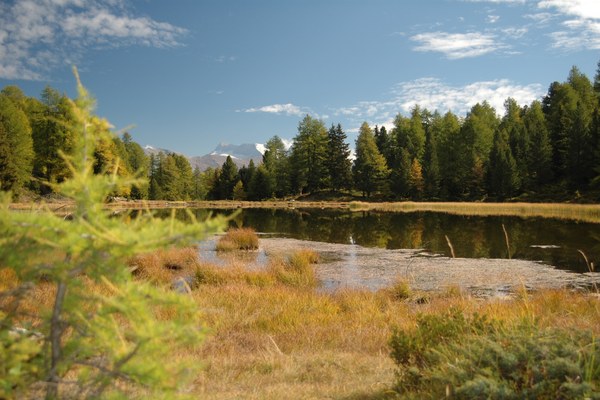
Peatlands provide valuable ecosystem functions in the Alps, but drainage, intensive land use and the climate crisis are placing them under growing pressure. The RE-PEAT-it! project strengthens knowledge, cooperation, and the capacity to act on peatland conservation across the Alpine region.