
Laura Kremer, CIPRA International Lab
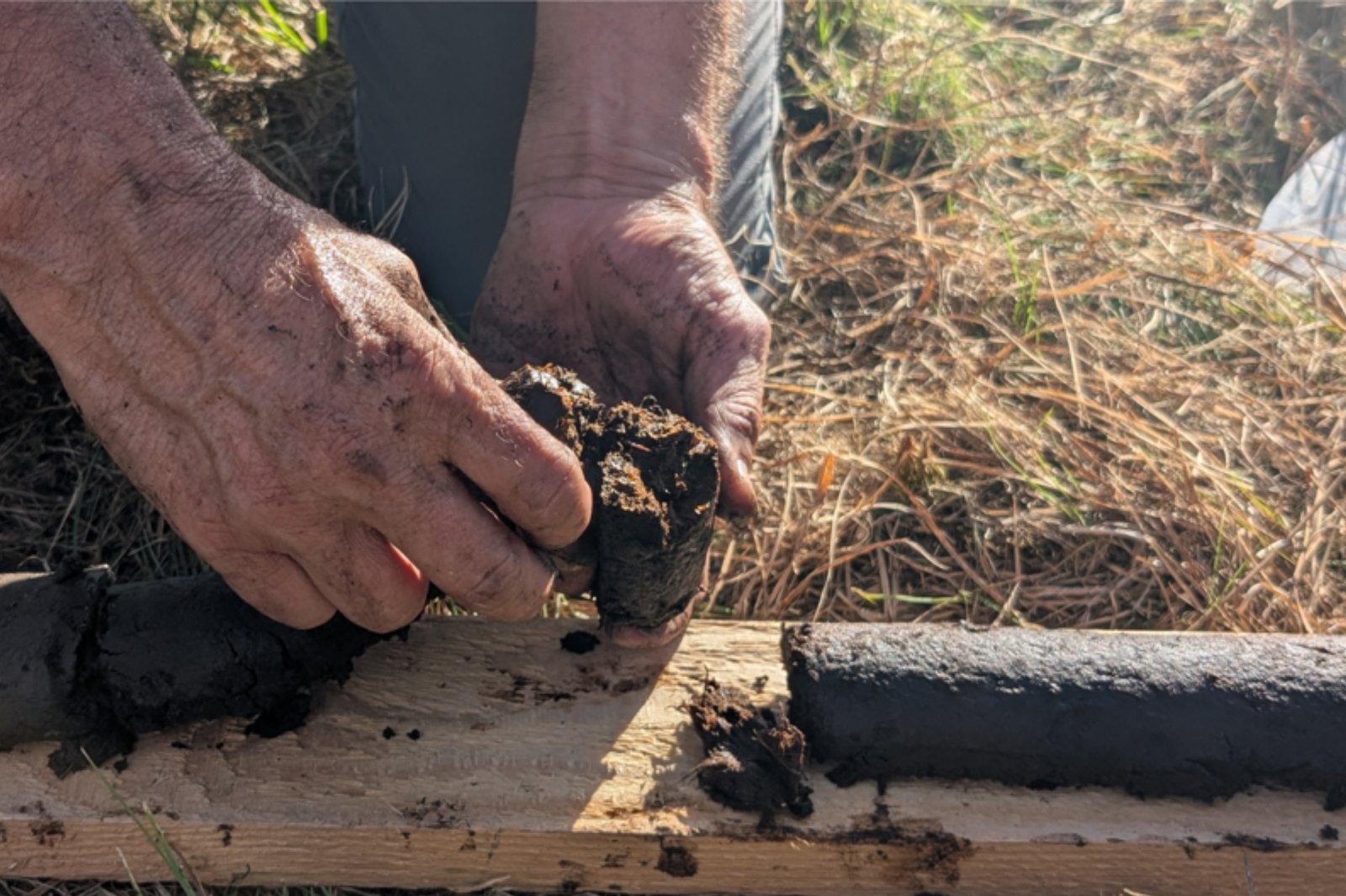
Improving protection for alpine peatlands
Peatlands are incredibly talented: they store CO₂, regulate the water cycle and provide habitats for numerous animal and plant species. However, they are under pressure from increasingly long dry periods and intensive land use. The ‘RE-PEAT-it!’ project, launched in autumn 2026, is therefore investigating how alpine peatlands can best be conserved.
CIPRA Switzerland

Would you like to find out more about CIPRA's country representative in Switzerland? Click here!
More news
Sofie Terzer, CIPRA International
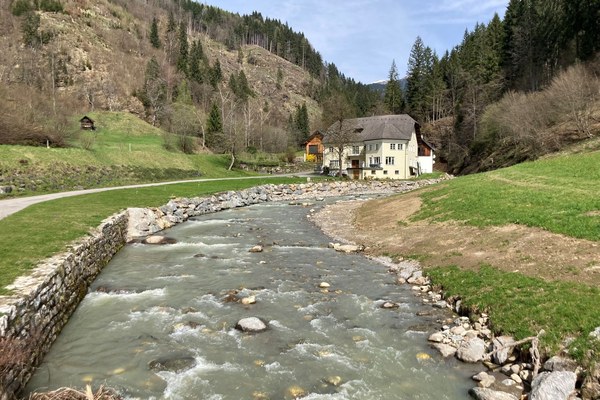
Combining flood protection and nature-based solutions
In the FLOW-BIOS project, five biosphere reserves are working together with the University of Natural Resources and Life Sciences, Vienna, and CIPRA International to explore how nature-based solutions can be successfully implemented on privately owned land.

Sofie Terzer, CIPRA International
After the Games is before the Games
The French people were not involved in the planning of the 2030 Winter Olympics. Environmental organisations are mobilising for public participation and sustainable Games. Meanwhile, Switzerland is preparing its Olympic bid for 2038.

Manuel Herrmann, CIPRA Switzerland
Alps in Motion: new Alpine-wide Day of Action
The Alpine Fire is being reimagined. With Alps in Motion, CIPRA Switzerland and CIPRA International are launching an Alpine-wide Day of Action on 29 August 2026.

Lauren Mosdale
[3 questions to … ] Francesca Pasetti Bombardella
2026 is the International Year of Rangelands and Pastoralists (IYRP 2026) aimed at raising global awareness of the critical importance of rangelands and pastoralist communities, managed by FAO during the whole 2026. Francesca Pasetti Bombardella is co-chair of the Regional IYRP Support Group Europe.
Events
There is nothing to see here at the moment. Why not take a look at the other countries?
Projects and activities
AfterAlpineIce
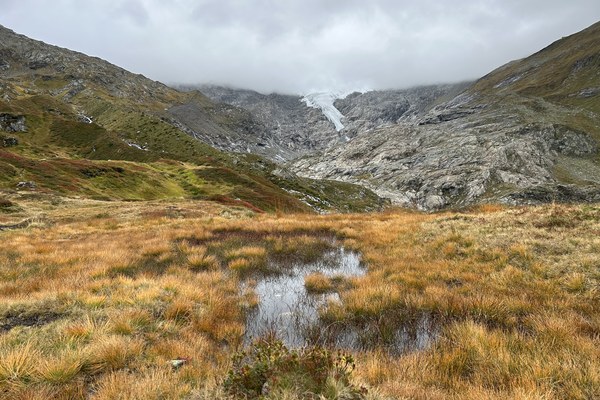
What will the Alps look like without ice and glaciers? The climate crisis is accelerating glacier retreat and fundamentally transforming the Alpine region. What may at first appear to be a change in the landscape has far-reaching consequences: ecosystems and water cycles are being disrupted, soil development is changing, local climates are shifting, and natural processes in high mountain areas are being permanently affected.
WISER
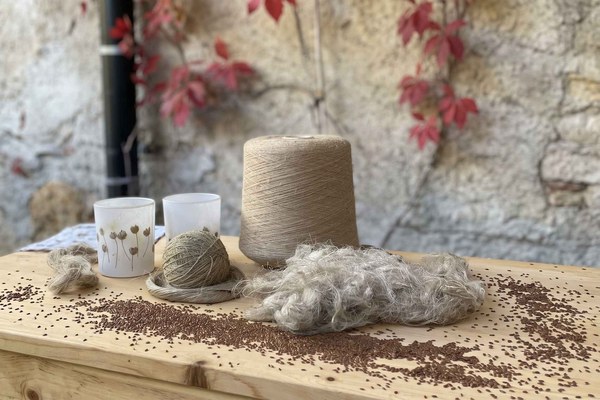
The Alps have a rich heritage of using and processing local natural fibres, such as wool, hemp, flax and silk. Yet much of this potential remains untapped today: regional processing infrastructure has largely disappeared, traditional knowledge is being lost, and much of the value creation takes place outside the Alpine region. At the same time, the textile industry is seeing growing demand for sustainable and circular alternatives.

CIPRA International
FLOW-BIOS
Nature-based solutions play a vital role in addressing the rising risk of flooding across the Alps, but this requires land that is often privately owned. That is why the FLOW-BIOS project, in collaboration with Austrian and Swiss UNESCO biosphere reserves, is investigating how nature-based solutions can be successfully implemented on private land.