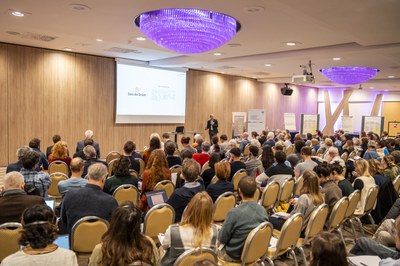
Point of View: What if reaching an agreement isn’t the most important thing?
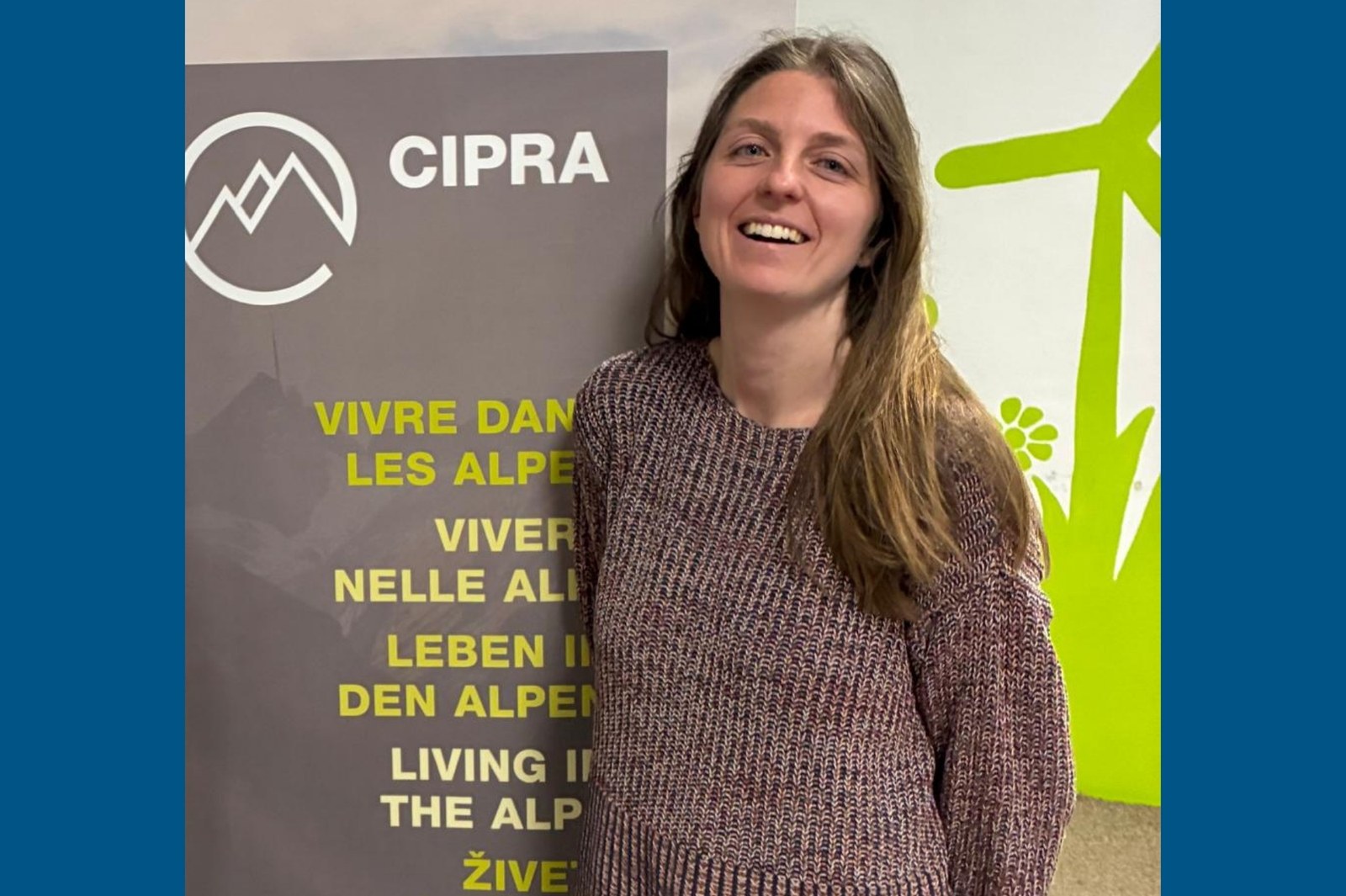
In the increasingly contested Alpine region, harmonious coexistence does not depend on eliminating conflicts. Rather, we must learn to recognise differing opinions, highlight areas of tension and use dialogue as the basis for a shared future, argues Lauren Mosdale, co-director of CIPRA France.
In mountain regions, conflicts over land use are inevitable: the rising number of users also increases the pressure on the natural resources of this limited space. There are many examples of such conflicts, such as between pastoral farming and tourism, between mountain bikers and forestry, or between renewable energy production and landscape conservation.
Yet, as the historian Séverin Duc reminds us, there have always been conflicts in the Alps, and we know how to deal with them. We, as inhabitants of the Alps, have managed to develop regulatory mechanisms and ways of sharing resources – even if these are imperfect, even if, from our present-day perspective, they appear rather exclusionary, and even if the climate crisis is not at the forefront of these arrangements. As the first report by the International Panel on Behaviour Change (IPBC) highlights, it is difficult for the human brain to change ways of thinking, habits and attitudes – but it is possible. The prerequisite for this is to involve those affected and listen to their fears and concerns. The positive side-effects of change must be made clear and the framework for it clearly defined.
Take, for example, the growing conflicts between leisure activities and pastoral farming. Added to this are the climate crisis, the return of large predators to the Alpine region and changing social expectations. All of this makes agricultural activities and access to resources more difficult. At the same time, mountain regions need to rethink their tourism models and strengthen their links to agriculture and landscape conservation. Over the past three years, as part of the French funding programme ‘Espace Valléen’, local ‘hubs’ have promoted exchange, skills development and joint strategies. The focus is no longer merely on sharing communication tools, but on developing new models of cooperation and better integrating different forms of land use.
The coexistence of different forms of land use and dialogue between stakeholders are not made possible by agreement on every point. Rather, the aim is to clarify where there is disagreement. Only in this way can we find solutions to the conflicts in the Alpine region.