Exploring soil with every one of our senses

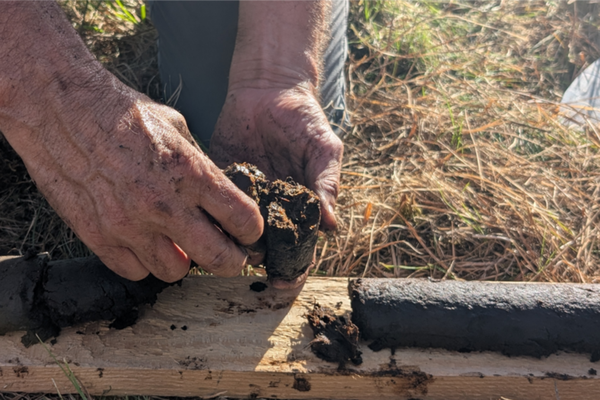
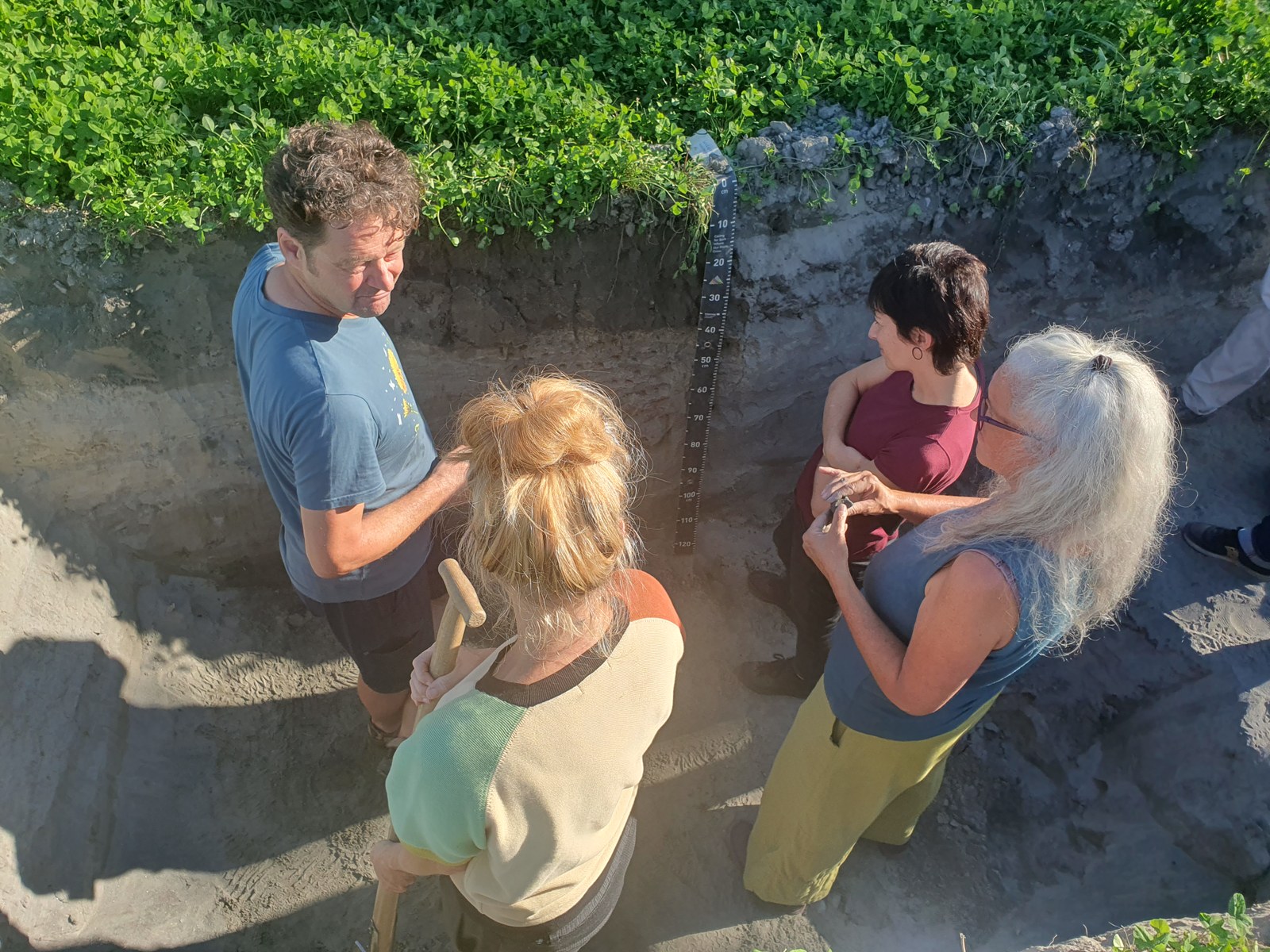
How is fertile soil formed? How big is a grain of sand? And how can knowledge about soil be conveyed creatively? The partners of the Erasmus+ project “Future Soil Literacy” addressed these questions at a meeting held in late September in Vorarlberg, Austria, and Liechtenstein.

CIPRA Italy


Would you like to find out more about CIPRA's country representative in Italy? Click here!

More news
Winning the Games, losing the people?
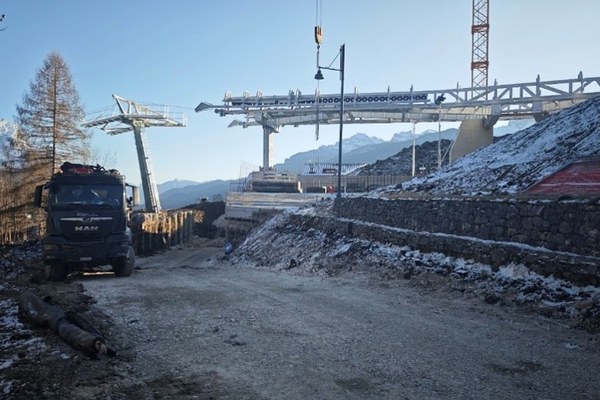
The next Olympic Winter Games will take place in the French Alps in 2030. But will they really serve these Alpine regions or their inhabitants? In 2038, it could be Switzerland's turn, even without consulting its citizens. The Swiss population has been highly critical of Olympic Games in the past.
Transit traffic reaches its limits
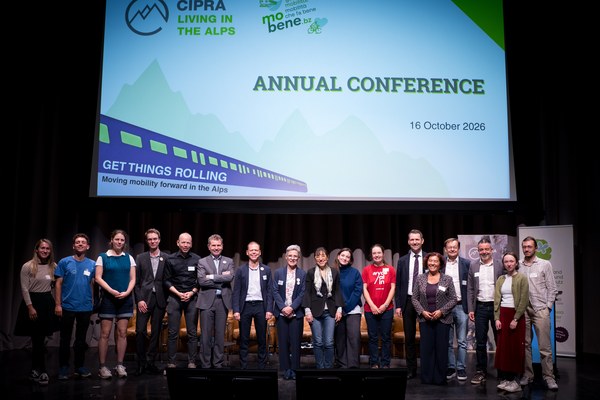
Ensuring cost fairness, reducing journey numbers, shifting to rail: some 200 participants at the CIPRA Annual Conference, held in mid-October 2026 in Bolzano, Italy, discussed ways to limit the rising volume of traffic in the Alps.
Improving protection for alpine peatlands
Peatlands are incredibly talented: they store CO₂, regulate the water cycle and provide habitats for numerous animal and plant species. However, they are under pressure from increasingly long dry periods and intensive land use. The Interreg Alpine Space project ‘RE-PEAT-it!’, launched in autumn 2026, is therefore investigating how alpine peatlands can best be conserved.
Leaving home, staying connected
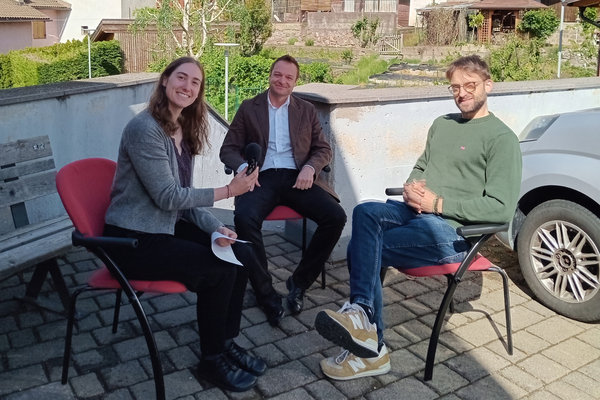
Over the course of a year and a half, the OUT4INGOV project focused on the issue of youth migration in the Alps and implemented innovative measures in the three pilot regions of Maribor (Slovenia), Trentino (Italy) and Vesoul (France). The project concluded in mid-July 2026 with a conference in France.

Events

  • 2026-12-16T13:30:00+01:00
  • 2026-12-16T16:30:00+01:00
  • Online via Zoom
Dec 16, 2026
Networking Platform on Nature Restoration in the Alps Online via Zoom

Projects and activities

AfterAlpineIce
AfterAlpineIce
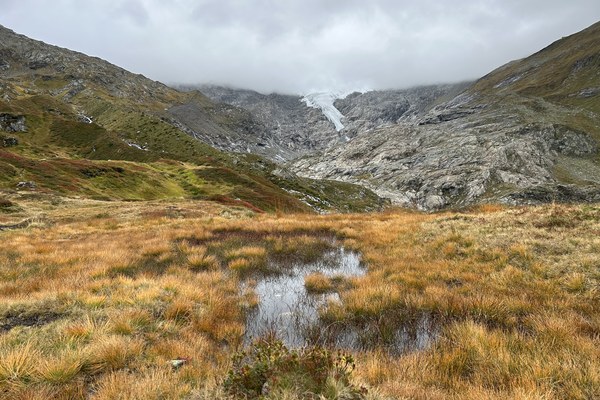
What will the Alps look like without ice and glaciers? The climate crisis is accelerating glacier retreat and fundamentally transforming the Alpine region. What may at first appear to be a change in the landscape has far-reaching consequences: ecosystems and water cycles are being disrupted, soil development is changing, local climates are shifting, and natural processes in high mountain areas are being permanently affected.
WISER
WISER
The Alps have a rich heritage of using and processing local natural fibres, such as wool, hemp, flax and silk. Yet much of this potential remains untapped today: regional processing infrastructure has largely disappeared, traditional knowledge is being lost, and much of the value creation takes place outside the Alpine region. At the same time, the textile industry is seeing growing demand for sustainable and circular alternatives.
RE-PEAT-it!
RE-PEAT-it!
Peatlands provide valuable ecosystem functions in the Alps, but drainage, intensive land use and the climate crisis are placing them under growing pressure. The RE-PEAT-it! project strengthens knowledge, cooperation, and the capacity to act on peatland conservation across the Alpine region.