
Winning the Games, losing the people?
The next Olympic Winter Games will take place in the French Alps in 2030. But will they really serve these Alpine regions or their inhabitants? In 2038, it could be Switzerland's turn, even without consulting its citizens. The Swiss population has been highly critical of Olympic Games in the past.
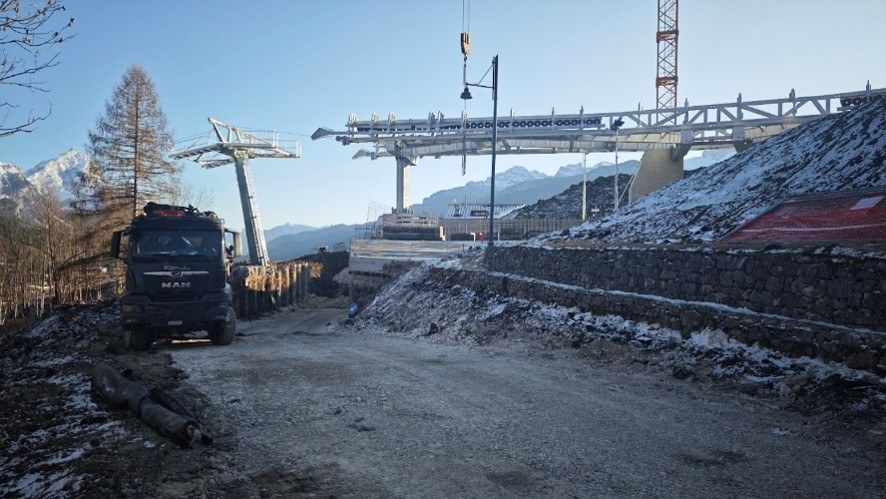
On 1 October 2026, the Swiss National Council rejected the possibility of a referendum in support of the 2038 Olympic and Paralympic Winter Games, in line with the position of the Federal Council, Switzerland’s government. "This is criminal naivety towards a mega-event”, says Kaspar Schuler, President of CIPRA Switzerland. “Anyone who decides on a generational project but does not want to bring it before the population deprives these decisions of democratic legitimacy." Schuler adds that the IOC's timetable must not sabotage the right of the Swiss to have a say. The IOC has granted Switzerland a so-called “privileged dialogue”: if it submits a bid by the end of 2027, no competing bids from other countries will be considered. In its current position paper, CIPRA International also warns against the IOC’s empty promises.
Award for “Open Olympics 2026”
On 13 October 2026, the initiative “Open Olympics 2026” received the Helen Darbishire Award from Access Info Europe for its work promoting transparency, public oversight and accountability in the organisation of the Milan-Cortina 2026 Olympic Games. CIPRA Italy is part of the “Open Olympics” network and contributed to the investigations, which has helped make information on Olympic planning, spending and decision-making more accessible to citizens and strengthened public scrutiny of the Games.
Open questions about France 2030
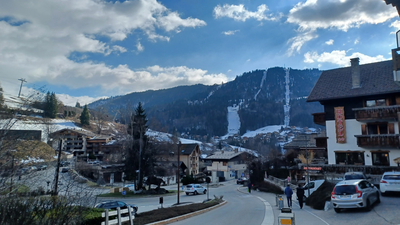
What impact will the Olympic Games 2030 have on Alpine territories and their inhabitants? CIPRA France recently carried out a field study amongst residents of the French mountain village La Clusaz in order to compare them with the statements made by the organisers of the 2030 Winter Olympics. The answers collected highlight concerns that the Olympic Games could reinforce existing challenges in Alpine communities, including housing shortages, traffic pressure and economic dependence on winter tourism. At the same time, respondents acknowledged the impacts of climate change, raising questions about whether investing in a major winter sports event is compatible with the long-term transformation needed in mountain regions.
Sources and further information:
www.watson.ch/schweiz/sport/553655273-olympia-2038-in-der-schweiz-nationalrat-stimmt-200-millionen-beitrag-zu (de), www.ouest-france.fr/jeux-olympiques/la-question-du-jour-jo-2030-la-france-doit-elle-abandonner-lorganisation-des-jeux-olympiques-dhiver-899e0d86-b109-11f1-bc32-13ddcee9efa7 (fr), www.libera.it/it-schede-2871-open_olympics_2026_vince_l_helen_darbishire_award (it), www.access-info.org/2026-10-13/open-olympics-2026-wins-helen-darbishire-award/ (en)
Further information
Milano-Cortina 2026: Fair play? Not a chance!

