
MOUNTAIN-GOV Co-existing
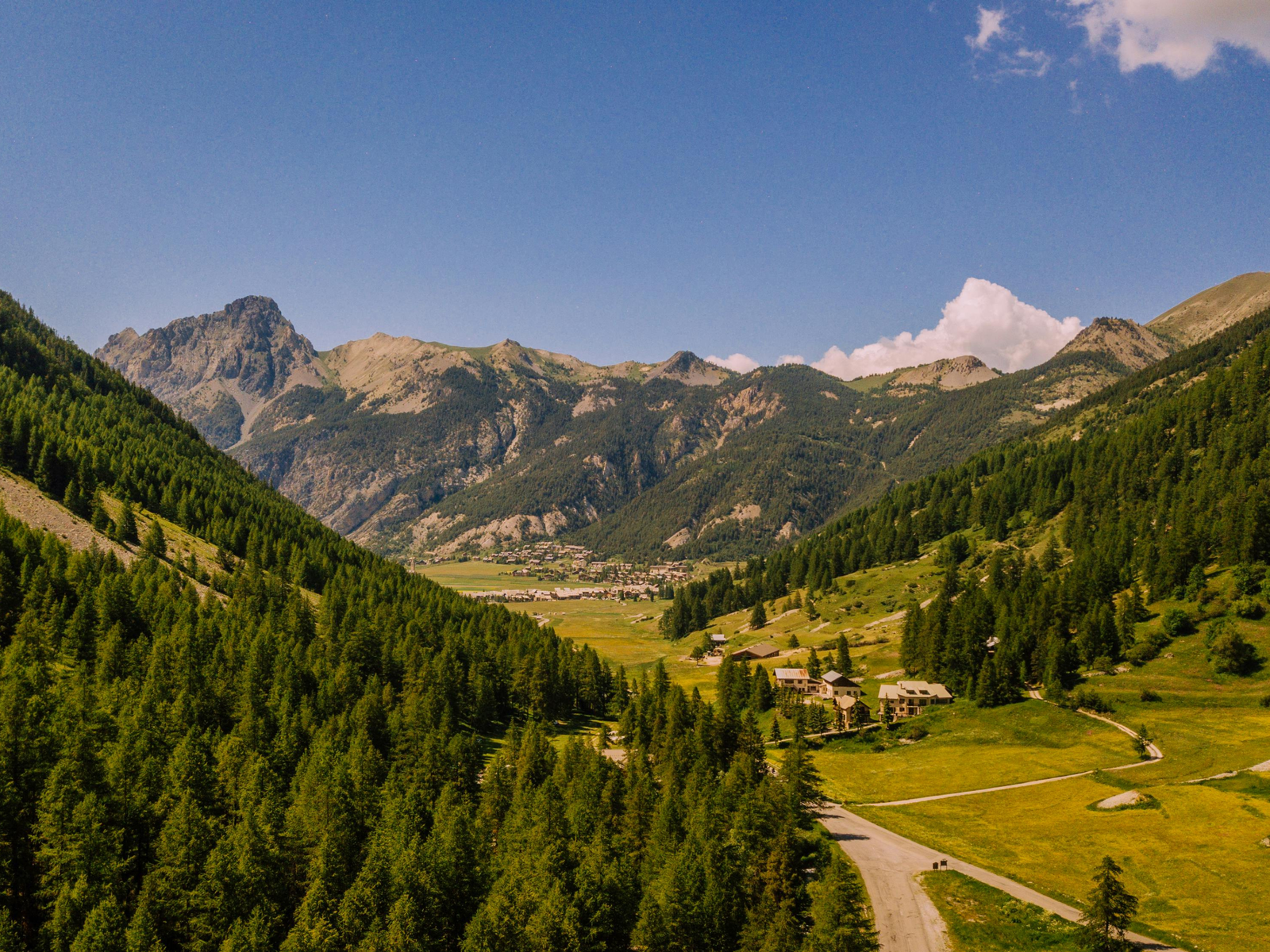
The MOUNTAIN-GOV Co-existing project aims to address the challenges associated with the coexistence of tourism, agriculture and forestry in Alpine regions, where different land-use activities and interests of stakeholders are increasingly overlapping. These dynamics reveal a governance structure that is ill-suited and lacks cross-sectoral coordination across rural Alpine territories.
The project aims to strengthen mutual understanding, improve cooperation between sectors and explore practical approaches to preventing and managing conflicts related to land use, particularly in terms of governance.
Through knowledge exchange, stakeholder engagement and the identification of best practices, the project brings together experiences from different Alpine regions, with a particular focus on transferring relevant French approaches to the Slovenian context.
CIPRA France contributes its expertise in territorial governance, stakeholder dialogue and conflict management, whilst the KGZS – Maribor Institute of Agriculture and Forestry – is leading the practical application of these approaches in Slovenia.
The project focuses on adult education, international cooperation and participatory processes rather than on infrastructure development or the direct implementation of new governance systems. It is expected to help foster more effective dialogue between stakeholders and to develop practical recommendations for sustainable coexistence in the Alpine regions.
Full Project name: Moderating Tension in Alpine Landscapes: Governance Strategies for Sustainable Co-existence
Project objectives:
-
Strengthen inter-regional understanding and governance;
-
Gain a better understanding of the similarities and differences in how French and Slovenian stakeholders manage the sharing of spaces;
-
Transfer knowledge on the significance of tourism’s impact on farmers and their land to foster a better shared understanding of the related challenges;
-
Combine a holistic Alpine perspective with locally rooted processes, particularly in Slovenia;
-
Transform a conflict-ridden coexistence into a structured, cooperative and sustainable model for the long-term future of rural Alpine areas.
Main Activities:
-
Organisation of online workshops with various stakeholders, including SUERA working groups, to discuss issues relating to European territorial governance in the field of tourism;
-
Production of a guide to best practice providing an overview of the coexistence of tourism and agriculture in the Alpine region;
-
Franco-Slovenian meetings on the theme of coexistence to assess the extent to which CIPRA France’s expertise in sustainable governance and moderation in rural mountain areas can be transferred;
-
Development and support for the agriculture/tourism coexistence model created during the various Euro-Alpine workshops and meetings
Project partners:
Participating countries: France, Slovenia
Project dates: Septembre 2026 – August 2027
Project language: English
Funding: The project is part of the Erasmus+ Programme. Funded by the European Union, this programme promotes teaching, research, networking and debate on European issues.


Related contacts
Lauren Mosdale
Co-director
e-mail
Julika Jarosch
Co-director
e-mail