
Caroline Begle, CIPRA International
YOALIN: Looking back and looking ahead
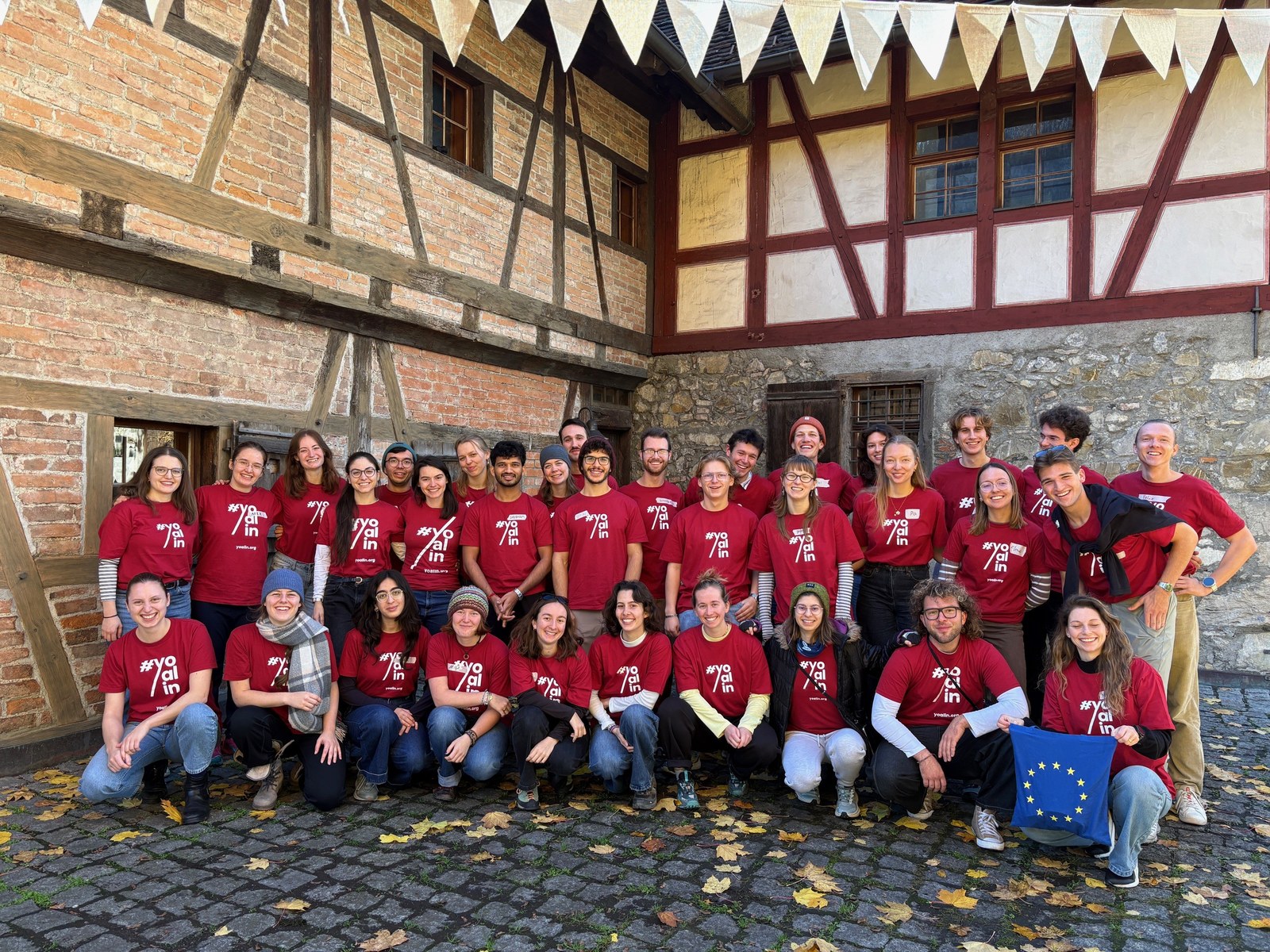
Around 35 young people from the Alpine region gathered in Feldkirch, Austria, in mid-November 2026 for the YOALIN Final Event. Following a summer full of adventures, the meeting was all about sharing ideas.

Who is CIPRA?
Find out more!
More articles
Point of View: Facts are non-negotiable
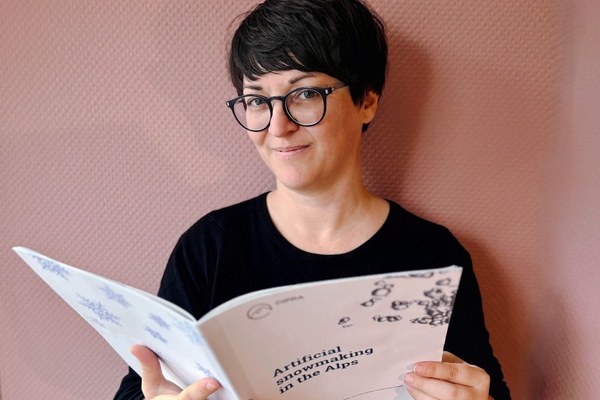
When myths and facts stand side by side, it can be difficult to know where to turn. Caroline Begle, Communications Officer at CIPRA International, explains why thorough research is essential, particularly in climate communication, and why the new CIPRA report on artificial snowmaking dispels common misconceptions.
Maya Mathias, CIPRA International
Exploring soil with every one of our senses
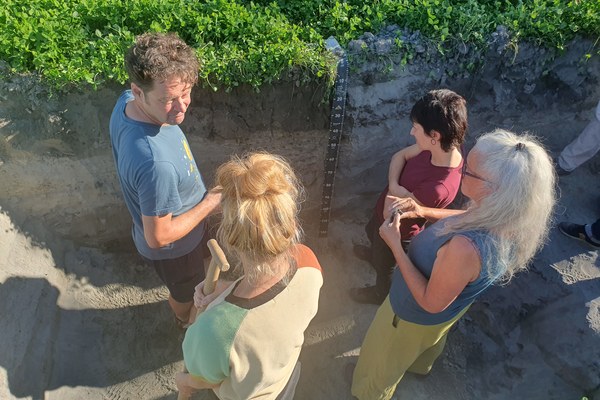
How is fertile soil formed? How big is a grain of sand? And how can knowledge about soil be conveyed creatively? The partners of the Erasmus+ project “Future Soil Literacy” addressed these questions at a meeting held in late September in Vorarlberg, Austria, and Liechtenstein.
Maya Mathias, CIPRA International
Co-construction Wanted!
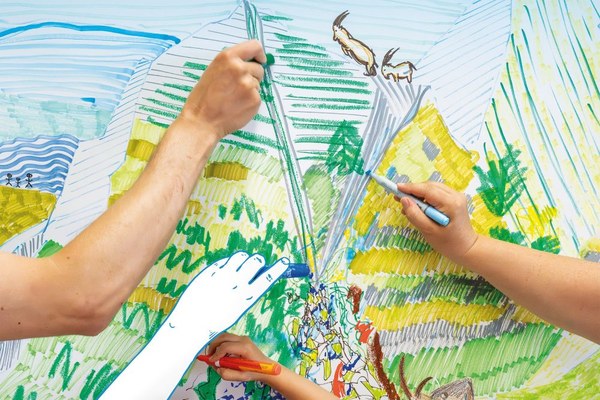
The latest issue of the SzeneAlpen magazine shows why participation is essential for a sustainable future in the Alps and how we can strengthen it.
Michael Gams, CIPRA International
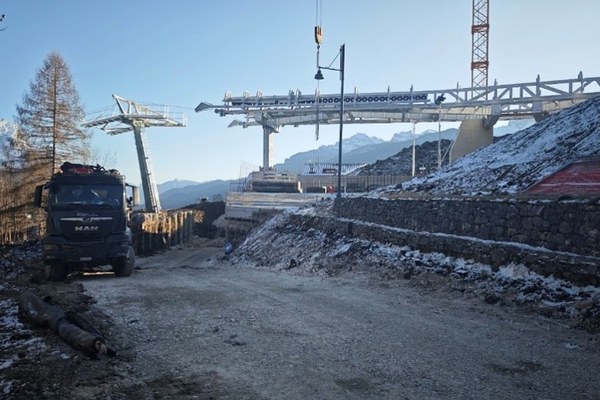
Winning the Games, losing the people?
The next Olympic Winter Games will take place in the French Alps in 2030. But will they really serve these Alpine regions or their inhabitants? In 2038, it could be Switzerland's turn, even without consulting its citizens. The Swiss population has been highly critical of Olympic Games in the past.
Events
|
International Alpine Forum | Eurac Research HQ and MMM - Messner Mountain Museum Firmian, Bolzano/I | |
|
Reading Mountains Festival 2026 | ||
|
Networking Platform on Nature Restoration in the Alps | Online via Zoom |
Projects
AfterAlpineIce
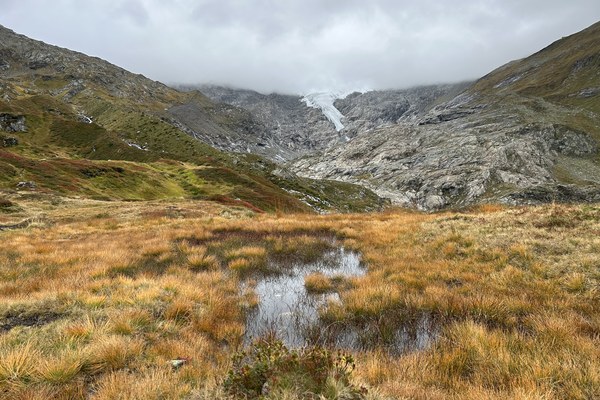
What will the Alps look like without ice and glaciers? The climate crisis is accelerating glacier retreat and fundamentally transforming the Alpine region. What may at first appear to be a change in the landscape has far-reaching consequences: ecosystems and water cycles are being disrupted, soil development is changing, local climates are shifting, and natural processes in high mountain areas are being permanently affected.
WISER
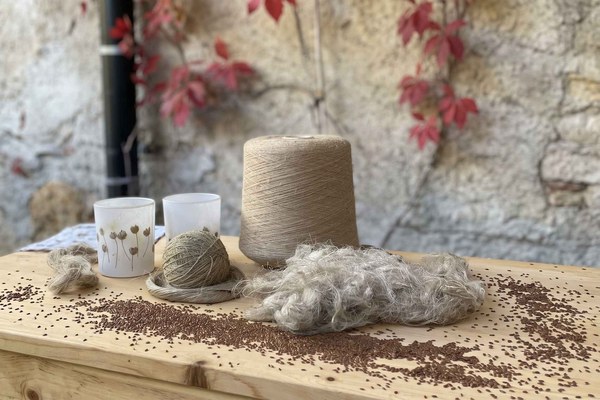
The Alps have a rich heritage of using and processing local natural fibres, such as wool, hemp, flax and silk. Yet much of this potential remains untapped today: regional processing infrastructure has largely disappeared, traditional knowledge is being lost, and much of the value creation takes place outside the Alpine region. At the same time, the textile industry is seeing growing demand for sustainable and circular alternatives.
CIPRA International
RE-PEAT-it!
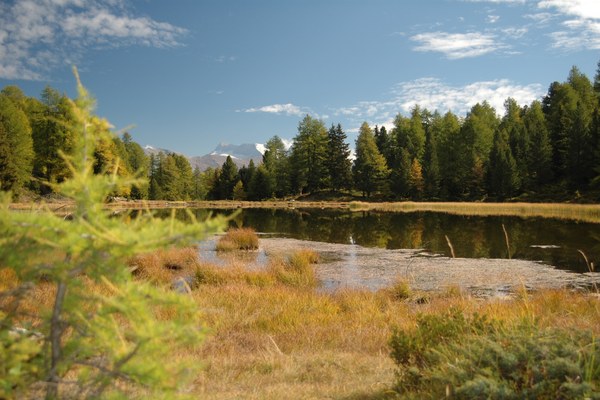
Peatlands provide valuable ecosystem functions in the Alps, but drainage, intensive land use and the climate crisis are placing them under growing pressure. The RE-PEAT-it! project strengthens knowledge, cooperation, and the capacity to act on peatland conservation across the Alpine region.