Mobility for All?
What does it mean to be mobile if you cannot drive? At the CIPRA Annual Conference in Bolzano, the Youth Council explored how mobility systems in the Alps could become more accessible, inclusive and sustainable.
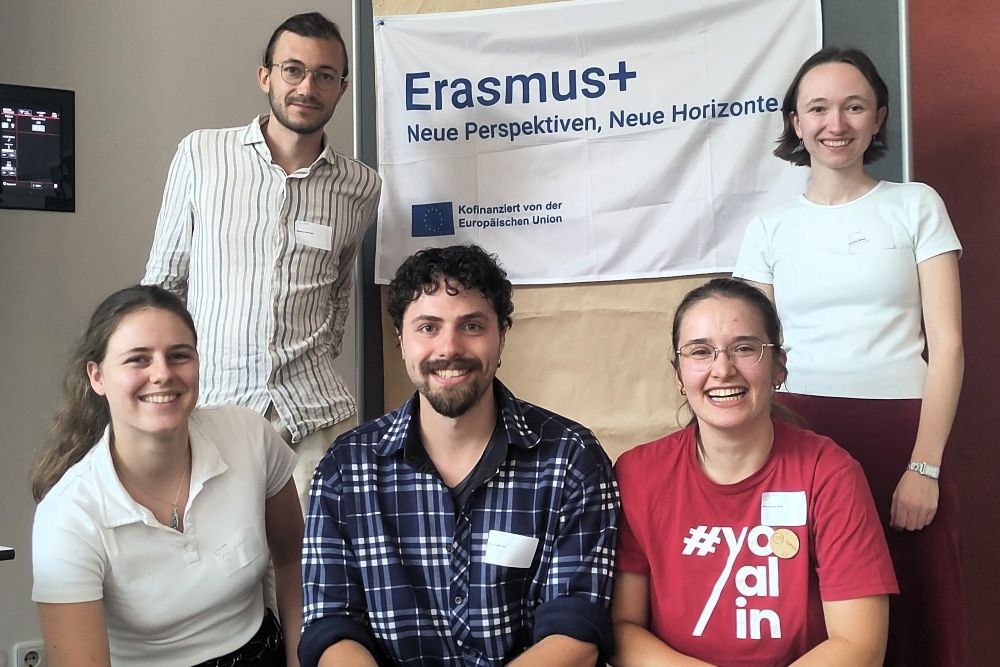
Across the Alps, access to education, work, sports, culture and social activities often depends on the availability of a car. For young people without a driving licence, limited public transport connections can mean fewer opportunities and less independence. The CIPRA Youth Council discussed at the CIPRA Annual Conference in Bolzano/I solutions for an accessible, inclusive and sustainable mobility system in the Alps. The discussions highlighted practical barriers such as infrequent services, long waiting times and complicated ticketing systems. Participants also considered how mobility needs differ depending on age, financial circumstances, disability and where someone lives.
Considering different needs and impacts
One key insight was that there is no single youth perspective on mobility. A child living in a mountain village, a student travelling between cities and an apprentice crossing a national border may face very different barriers. Effective solutions need to reflect these differences rather than treating young people as one homogeneous group.
Participants also explored how mobility measures can have wider consequences. More affordable public transport can improve access to education, work and leisure while potentially reducing car traffic and emissions. However, increased accessibility can also put pressure on popular destinations, increase demand for transport services and create additional costs for public authorities.
Addressing such challenges requires cooperation between public authorities, transport associations, schools, tourism organisations and local communities. Funding, coordination, transport capacity and local circumstances influence whether a promising idea can work in practice.
Rethinking mobility in the Alps
The discussions highlighted the importance of moving beyond the question of whether a mobility measure is beneficial in principle and examining how it could work in a specific Alpine context. Exploring different approaches, identifying potential negative effects and considering how these could be mitigated are important steps towards more balanced solutions. Ultimately, mobility for all is not simply about providing alternatives to the car. It is about enabling people to participate in everyday life independently, while ensuring that mobility solutions remain accessible, practical and environmentally responsible.
This activity was organized in the frame of the Erasmus+ Youth Mobility Project "Alpine Youth on the Move".
Further information
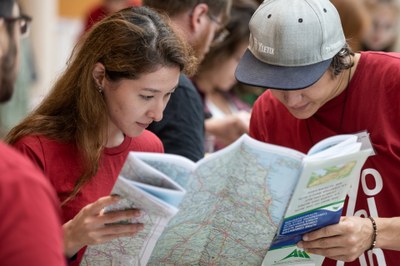
Alpine Youth on the Move